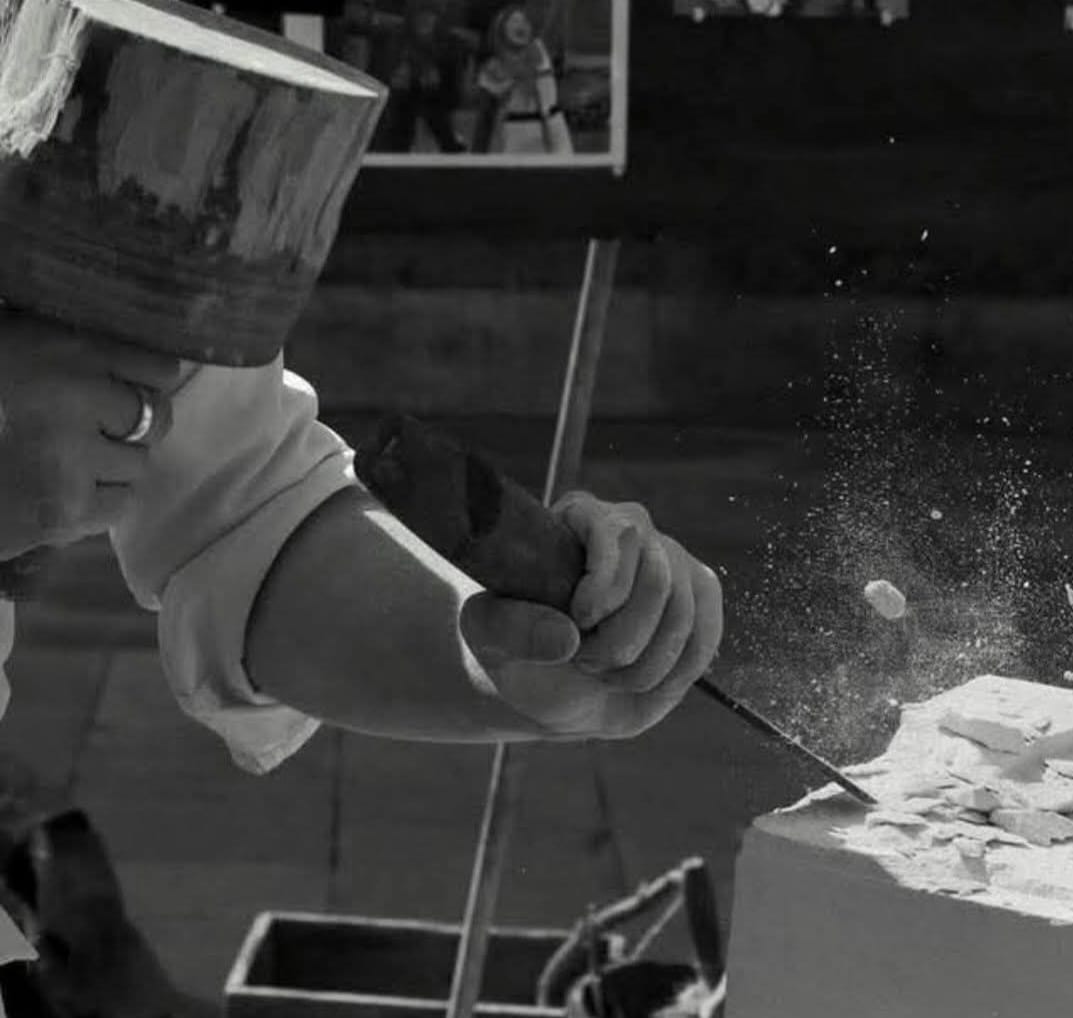
An Institutional Presence Across Three Continents for over 30 years
The Master: The Curator and The Private Office
The Lineage History: A Protected Truth
The Executive FAQ: Acquisition & Lineage
THE MASTER, THE CURATOR, AND THE PRIVATE OFFICE
The Court Master institution operates through three complementary roles. Together they ensure the continuity of the lineage, the intellectual integrity of the work, and the discretion required by those who engage with it.
This structure reflects the historical organisation of classical workshops and cultural institutions, where the craft itself, its intellectual framework, and its patron relationships were held in careful balance.
THE MASTER
The Master is the living custodian of the craft lineage.
This role is not simply that of an artist or instructor. The Master is responsible for maintaining the technical, philosophical, and historical integrity of a discipline that traces its origins to the royal and ecclesiastical workshops of medieval Europe.
The Master’s responsibilities include:
- The transmission of craft knowledge
- The creation of legacy works and architectural commissions
- The training of selected initiates
- The preservation of the lineage of practice
Engagement with the work of the Master is therefore not simply an educational experience. It represents participation in a living tradition of craft discipline shaped over centuries.
THE CURATOR
The Curator safeguards the intellectual and cultural dimension of the lineage.
Where the Master works through the physical language of stone and architecture, the Curator maintains the historical and philosophical framework that gives the work meaning and continuity.
The Curator’s responsibilities include:
- Documenting the lineage and its historical continuity
- Contextualising the work within architectural and craft history
- Maintaining relationships with cultural and heritage institutions
- Preserving the archive and intellectual record of the discipline
Through this role the craft is understood not as a hobby or workshop activity, but as a serious cultural tradition embedded within the broader history of architecture and civilisation.
THE PRIVATE OFFICE
The Private Office manages all relationships with patrons, institutions, and participants.
This structure exists to ensure discretion, clarity, and personal attention for those who engage with the work.
The Private Office oversees:
- Qualification and invitations
- Patron commissions and legacy works
- Executive craft formations
- Institutional collaborations
- Residencies and private gatherings
A small number of gatherings each year take place as privately hosted Craft Formations.
All engagements with the Court Master institution are arranged through the Private Office.
THE INSTITUTIONAL STRUCTURE
Together these three roles form the operational structure of the Court Master institution.
The Master preserves the discipline.
The Curator preserves the intellectual and historical framework.
The Private Office protects the circle in which the work takes place.
This structure allows the lineage to remain historically grounded while continuing to engage thoughtfully with the contemporary world.

ENTRY TO THE WORK
Participation in the work begins through qualification.
This process allows the Private Office to understand the nature of each enquiry and determine the most appropriate path of engagement.
Those wishing to explore participation, patronage, or collaboration are invited to begin the qualification process.
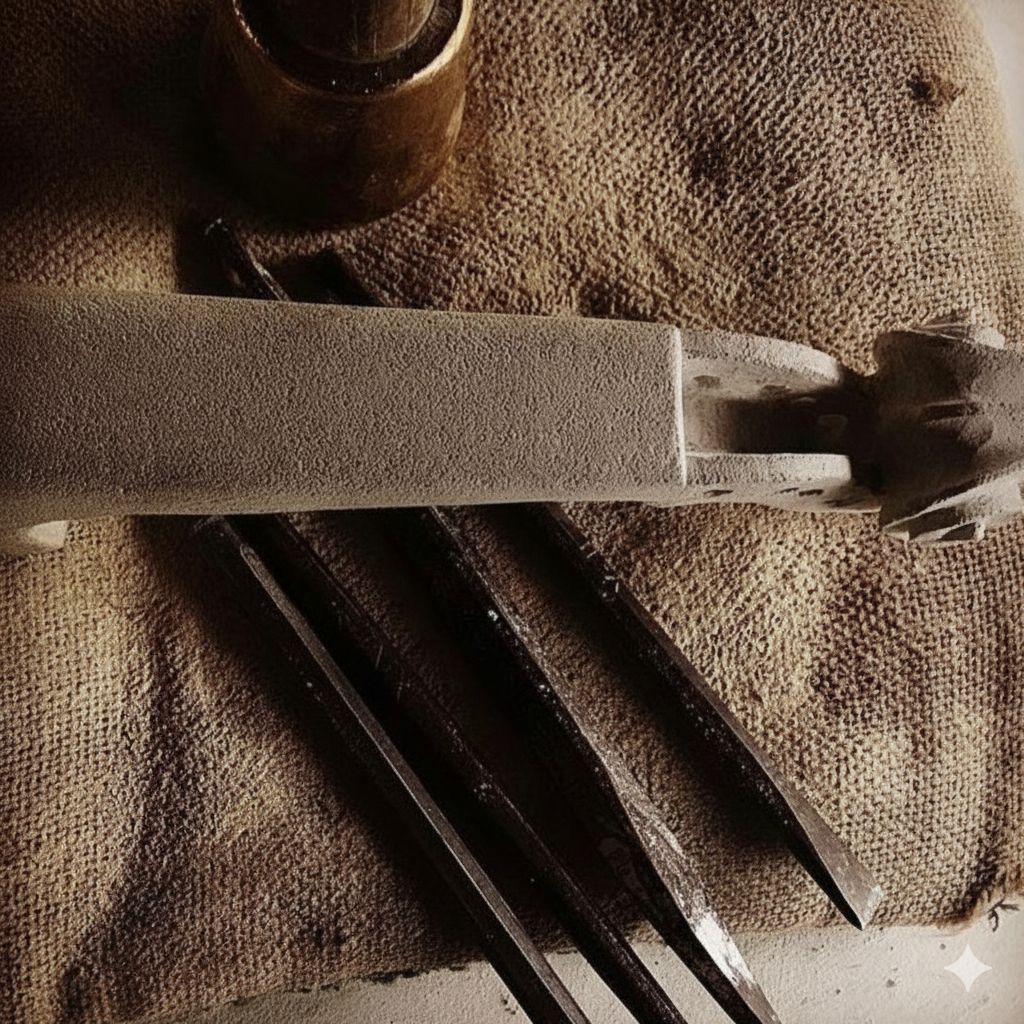
Forensic Consultancy & Institutional Audit
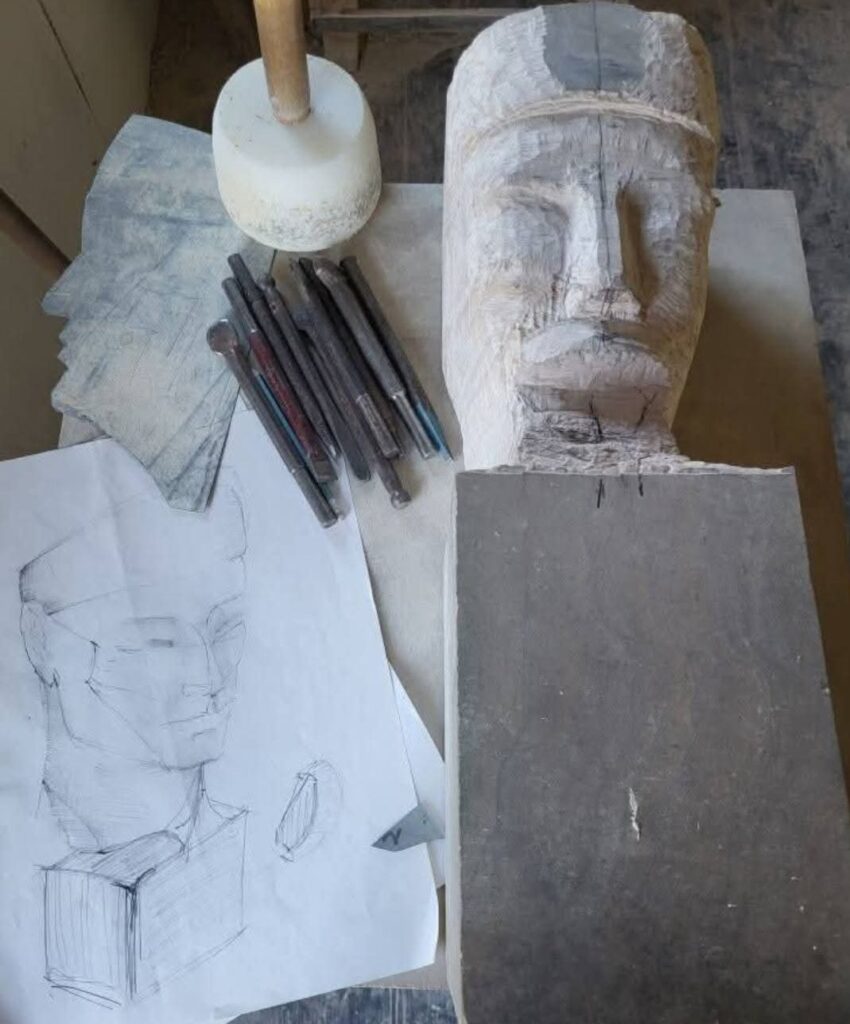
The lineage of the Court Master is an unbroken, 10-century chain of knowledge that has served the highest offices of tradition and authority. This history is the proprietary foundation of our work. While the Curator of the Lineage, The Master, is known, the specific details of the proprietary methods, family records, and training—the truth of the mastery—are deemed a highly confidential asset. This history is acquired only by those who commit to the highest entitlements.
The Private Office Mandate
To preserve the integrity of the Lineage, all client-facing communications, financial structuring, and administrative oversight are managed exclusively by The Master’s Private Office.
The relationship with the Principal is a protected truth, ensuring the unassailable privilege of their acquisition. We do not engage in public discourse or negotiation. This structured mandate guarantees that the focus remains solely on the transfer of mastery.
The Audience Covenant
Direct interaction with the Curator is not available via standard request. A personal audience with the Master is deemed the ultimate expression of commitment, reserved only for principals who have either secured a Zenith Lineage Commission or whose sustained acquisition history warrants a specific invitation from The Master’s Private Office.
The Origin of The Masters Global Journey
The Sovereign Covenants
Augmenting the High-Value Executive Retreat.
The Geological Validation of Brand Excellence
High Value Executive Tiered Retreats
Lineage Partnership: Professional Referral Policy
The Court master Global Lineage Stewardship Programme
Stewardship
The Master’s Beneficence