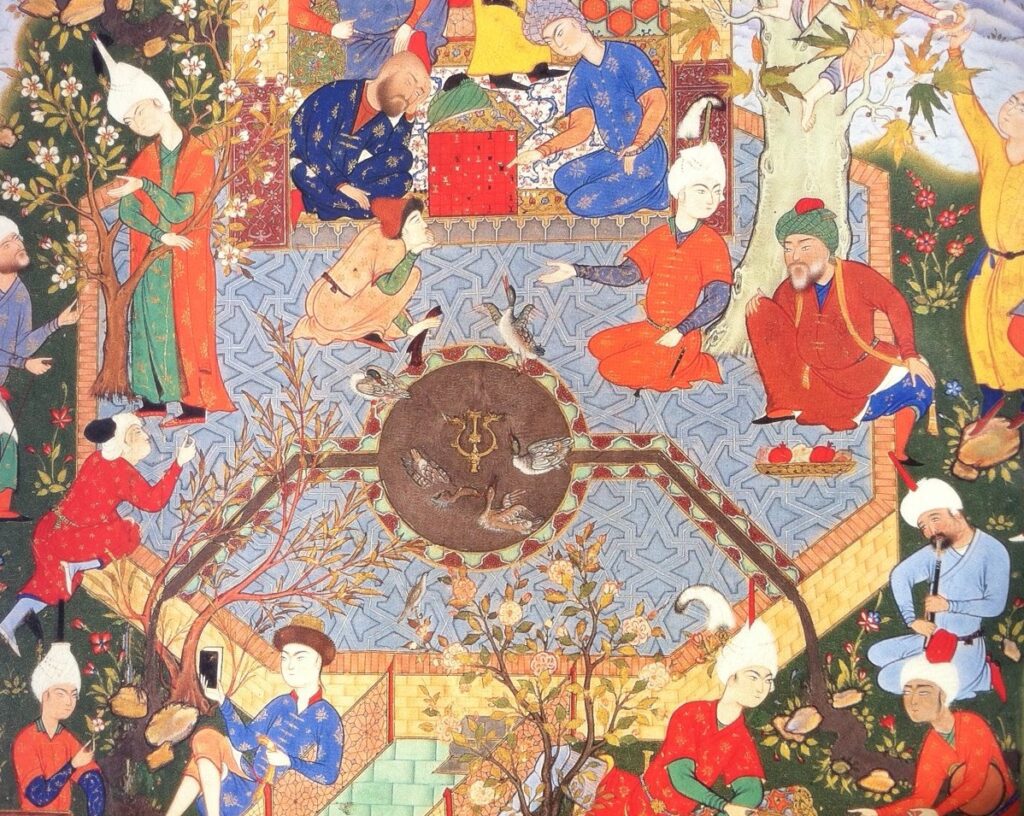
To understand the philosophy of the Courtmaster retreats, one must look toward the ancient Persian concept of the Pardis. The word itself refers to a “walled-around” or enclosed space—the etymological ancestor of our word for Paradise. To the masters of that era, heaven was not a distant, abstract promise; it was a physical sanctuary carved out of the unforgiving wilderness through masonry, geometry, and unyielding intent.
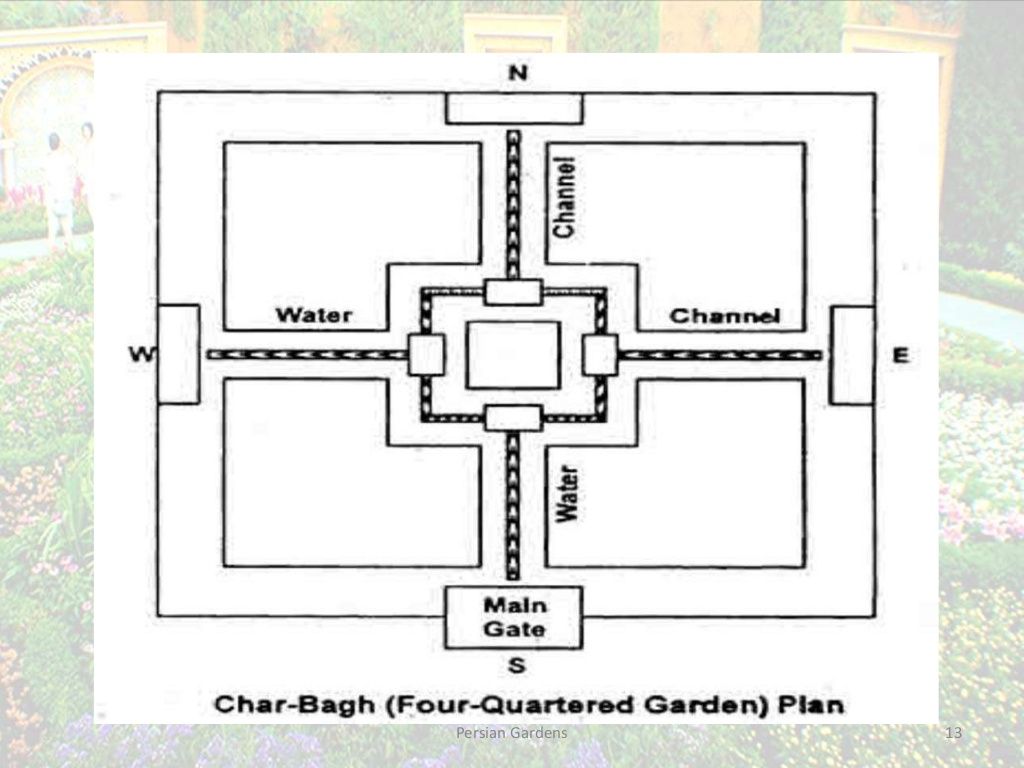
In my own work, I often reflect on how this “heavenly poetry” manifests in the stone. The Persian garden is defined by the Chahar Bagh, where four water axes intersect to create perfect symmetry. It is a reminder that for the spirit to flourish, it requires a structure—a deliberate enclosure that keeps the chaos of the world at bay. Without the wall, the garden is simply the desert.
The Seed of Wisdom
This philosophy finds its most honest voice in the poetry of Omar Khayyam. His Rubaiyat speaks to the vanity of endless talk and the necessity of finding truth in the immediate, tangible moment. He famously wrote:
“With them the seed of Wisdom did I sow,
And with mine own hand wrought to make it grow;”
This line captures the very essence of the carver’s path. Wisdom is not something merely inherited through books or overheard in lectures; it is a seed that must be planted and “wrought” with one’s own hands. At our retreats, we step away from the noise of the world—the “Doctor and Saint”—to engage in this physical labour. We learn that the most profound insights do not come from the tongue, but from the steady, rhythmic contact of steel upon stone. It is a dialogue of resistance and surrender.
The Presence in the Wilderness
Khayyam’s “Paradise” is not a destination at the end of a journey, but a state of being achieved when the individual finds sanctuary in the “now.” In the context of our craft, this is the “momentary halt” where the “rumble of a distant drum” fades into the background.
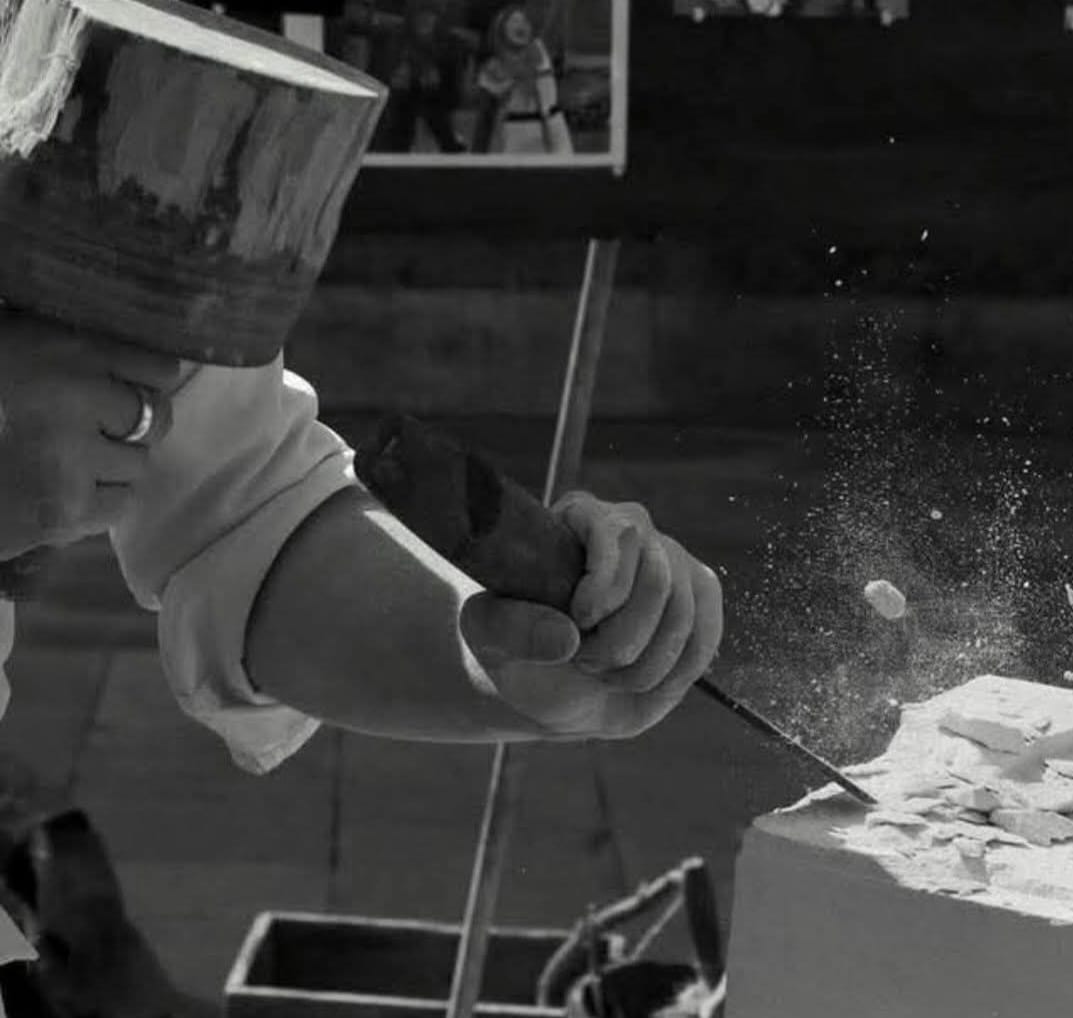
When the chisel meets the stone, we are carving our own enclosure. We are ensuring that the wilderness of modern life—the digital noise and the fractured attention—does not overwhelm the inner sanctuary. In the heat of the work, the past and future dissolve, leaving only the artisan and the immediate requirement of the strike.
The Discipline of the Enclosure
A Persian garden relies on the precision of its stone rills to direct the flow of water. Without the mason’s discipline, the water is lost to the desert sands. This is the heart of what we explore during our time together. We use the craft to provide the structure—the walls and the channels—that allows our internal energy to flow with purpose rather than being scattered.
To be a carver is to understand that we are the architects of our own peace. By handling the stone with the patience of the ancient masters, we cultivate a “Paradise” that remains stable. We ensure that what we build is worthy of the light that eventually falls upon it.
The First Pillar: The 1080 Protocol
This “walled-around” sanctuary serves as the first pillar of our teaching. It is the necessary foundation that must be laid before any further mastery can be realized. In our practice, we utilize a protocol established in 1080—a lineage of movement and focus that recalibrates what I call the “Internal GPS.”
Before we can master the material, we must master the vessel. By refining our proprioception and physical composure, we learn to stand firmly within our own center. This is the masonry of the self. Just as the ancient Pardis stood as a bastion of order against the shifting sands, this discipline acts as a barrier against the modern erosion of the soul. We do not just carve stone; we carve ourselves into a state of readiness.
The Living Sanctuary
When the mallet is finally set down, the “Carved Paradise” remains—not just in the finished marble or limestone, but in the person who stood behind the tool. We depart the retreat having learned that the most vital sanctuary is the one we carry within us, built with the same precision and intent as the gardens of old.
Through this masonry of the spirit, we ensure that our inner landscape remains a place of “Bread, Salt, and Heart”—a sanctuary that is both solid and profound, standing as a testament to a life lived with deliberate, carved intent.
INITIATE QUALIFICATION
This is the formal point of entry for all commissions, residencies, and consultations. To discuss a project or request a place in the Yard, you must first define the scope of your intent.
Begin Qualification
Leave a Reply