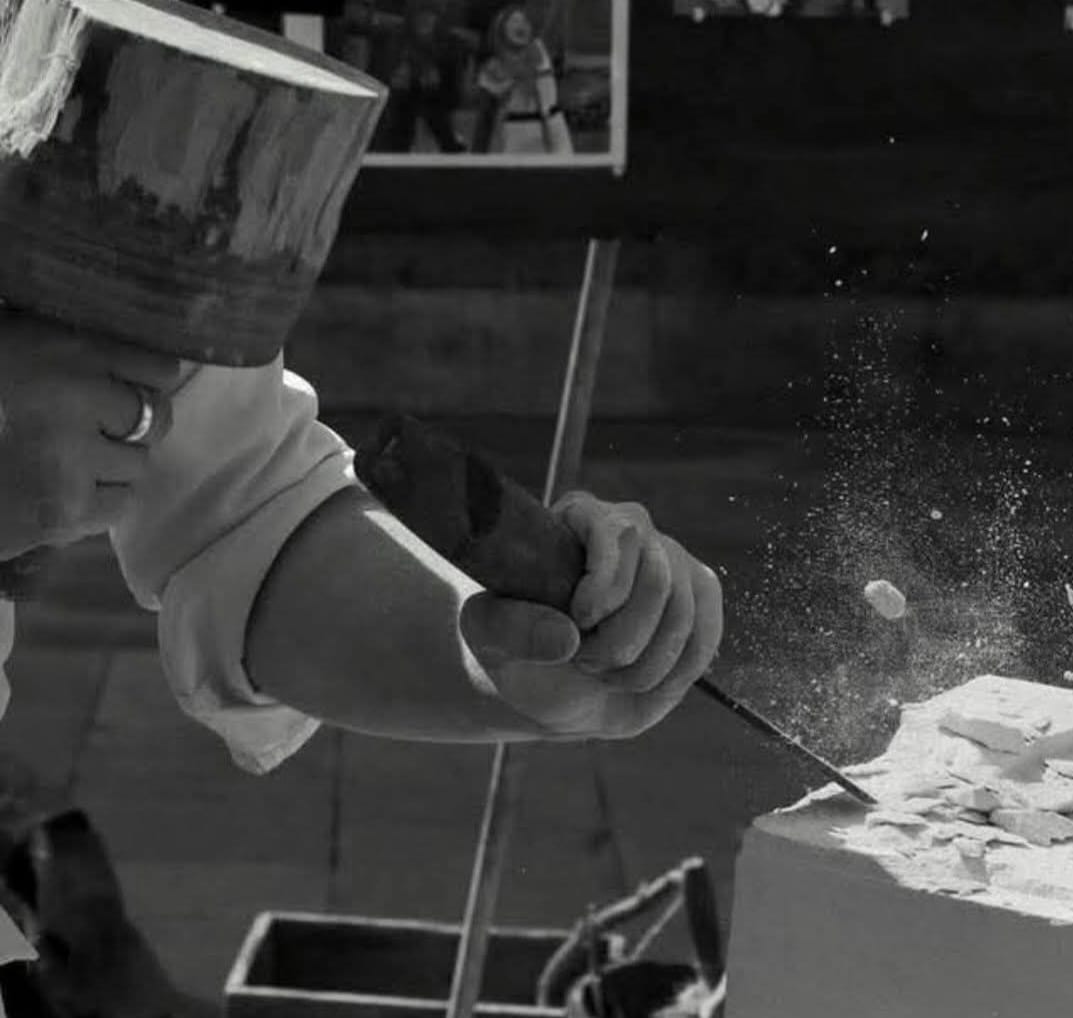
In the practice of architectural stone carving, we often look to the masters of sound to understand the mastery of form. At Courtmaster Carving, we explore the profound link between three-dimensional art and the structural logic of Baroque music—specifically, how a feeling of fear or uncertainty can be achieved through the unfinished phrase.
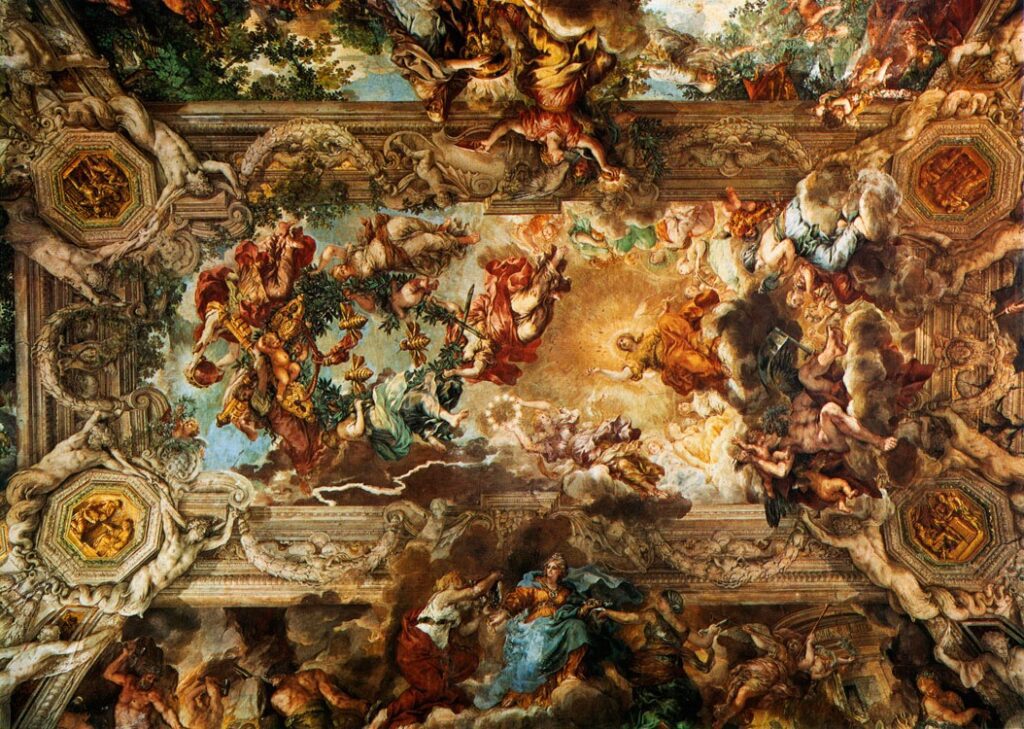
The Visual Deceptive Cadence
In Baroque composition, a “deceptive cadence” occurs when a sequence leads the ear to expect a resolution, only to pivot to an unexpected chord. It creates an immediate state of suspension. In stone, an unfinished carved phrase—not as simple as a motif that stops mid-curve, but a sophisticated compositional interruption—functions in the same manner.
By intentionally subverting a rhythmic pattern, we create a visual “stutter.” When a foliate sequence begins with the momentum of a traditional flourish but terminates in a sharp, unresolved tension, it mirrors those Baroque scores where the silence following a broken note is as heavy as the music itself.
Foli and La Folia: No Movement Without Rhythm
This work relies on the intersection of two concepts: the West African Foli and the European La Folia.
- Foli is the realization that rhythm is the pulse behind every action; it is the “making happen” of the form.
- La Folia (meaning “madness” or “folly”) provides a relentless structural “ground” upon which variations of increasing complexity are built.
The core truth is that there is no movement without rhythm. In stone, the architecture provides the pulse. When the carved foliate movement follows this rhythm, it feels harmonious. However, when the carving deliberately deviates from that underlying beat—like a dancer missing a step—it creates a palpable sense of instability and “madness.”
The Energy of the Inhabited Space
While these techniques are technically demanding, their true value lies in how they affect the energy of a home or an office. This is a simplification, but these methods directly influence how we feel and perform. Our surroundings are intrinsically connected to our happiness and our mental and physical health.
The presence of these rhythmic or “interrupted” forms speaks to both our conscious and unconscious thoughts. A space designed with an understanding of these tensions can stimulate the mind or offer a profound sense of grounding. By manipulating form and rhythm in stone, we are not merely decorating; we are shaping the psychological atmosphere of a room and the well-being of those within it.
Architectural Carving Retreats
I am now hosting retreats for those who wish to discuss and practice these principles in person. These sessions are dedicated to the study of rhythmic composition and the technical discipline required to translate the tension of a Baroque phrase into stone. We will explore how to carve “the unexpected” and study its profound impact on the spaces we inhabit.
Leave a Reply