Institute Paper No. 6
Institute for Craft Formation
The Craft Longevity Principle
Rhythm, Breath, and the Nervous System:Craft Practice and Autonomic Regulation
Author: Stephen Critchley
Founder, Institute for Craft Formation
Traditional craft disciplines often involve long periods of repetitive physical work performed with careful control and steady rhythm. While these practices developed primarily for practical reasons—efficiency, precision, and coordination—they also appear to produce physiological conditions that support concentration and nervous system stability.
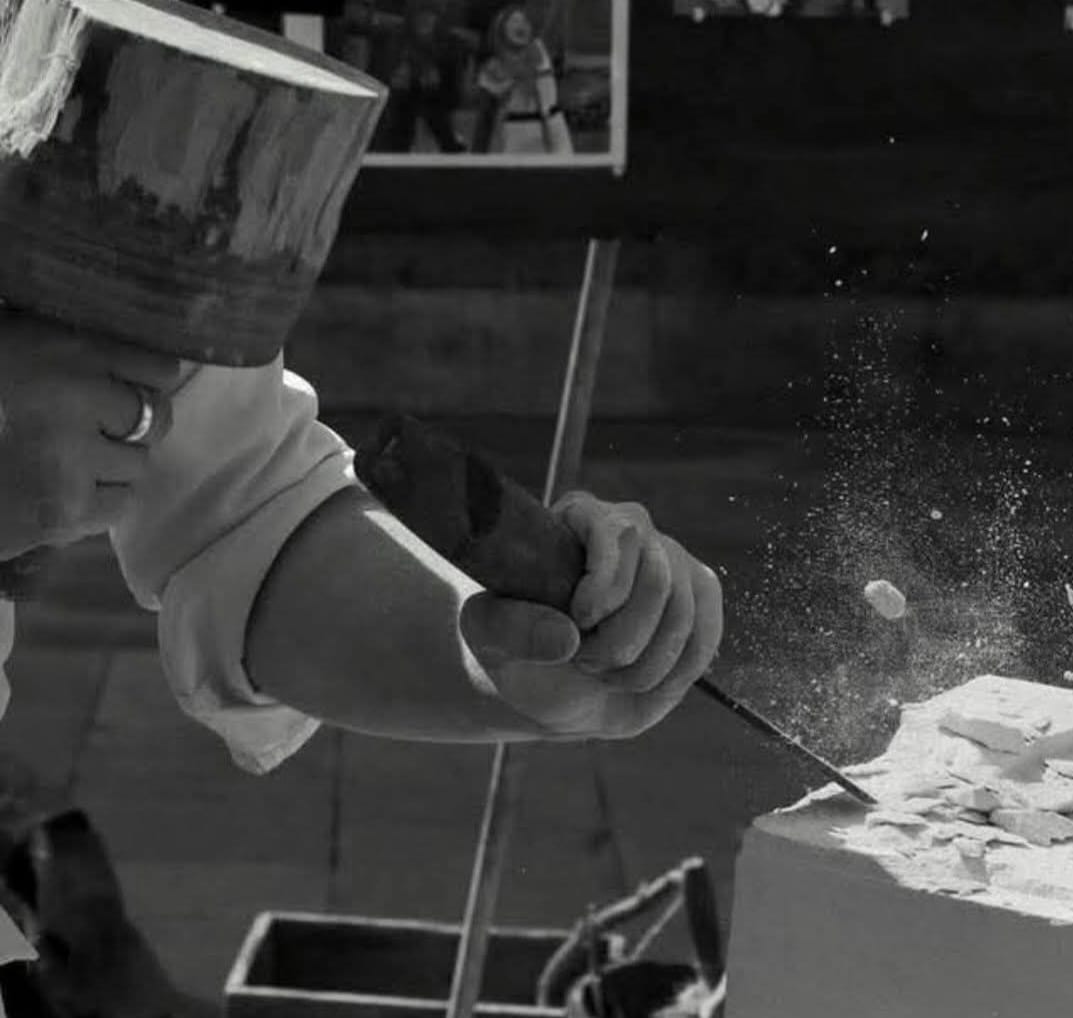
Within many manual crafts, actions occur in measured sequences rather than in abrupt or irregular movements. Stone carving, masonry, and many forms of architectural work require repeated strikes, adjustments, and controlled gestures that gradually shape the material.
Over time, the practitioner develops a rhythm of work.
This rhythm is not imposed artificially but emerges naturally from the interaction between the body, the tools, and the resistance of the material. Movements become economical and deliberate. The craftsman learns to work with consistency rather than force.
Such rhythms appear to influence the body’s internal regulatory systems.
The Autonomic Nervous System
The human autonomic nervous system regulates many of the body’s essential functions, including heart rate, respiration, digestion, and the body’s response to stress.
This system operates largely outside conscious control and consists of two complementary branches: the sympathetic nervous system, which activates the body during states of challenge or danger, and the parasympathetic nervous system, which supports recovery, stability, and restoration.
Maintaining balance between these two systems is essential for long-term physiological health.
Modern environments often place sustained pressure on the sympathetic branch through chronic stress, rapid decision-making, and constant stimulation. Under such conditions the body may remain in a heightened state of activation for extended periods.
Traditional craft environments appear to encourage a different pattern.
The rhythm of manual work often supports a gradual shift toward parasympathetic regulation.
Breathing and Movement
In many craft practices, movement and breathing naturally become synchronized.
A stone carver, for example, may align the motion of the tool with the rhythm of breathing and body movement. The strike of the mallet, the positioning of the chisel, and the adjustment of posture occur in measured sequences rather than in sudden bursts.
Although craftsmen historically described these processes in practical terms rather than scientific language, such synchronization may influence the body’s respiratory patterns.
Slow, controlled breathing is associated with activation of the parasympathetic nervous system and the regulation of stress responses. When breathing aligns with rhythmic movement, the nervous system tends to stabilize.
The practitioner remains alert and attentive while avoiding the excessive tension associated with uncontrolled stress.
The Role of the Vagus Nerve
Central to this regulatory process is the vagus nerve, a major pathway connecting the brain with organs throughout the body.
The vagus nerve plays a significant role in regulating heart rate, digestion, and emotional responses. Activation of this system is associated with states of calm attention and physiological stability.
Activities that involve controlled breathing, rhythmic movement, and sustained concentration may stimulate vagal regulation.
Traditional craft work appears to create conditions in which such regulation occurs naturally. The craftsman maintains a steady pace of work, breathing regularly while engaging in precise physical activity.
Over time this pattern may strengthen the body’s ability to remain calm and focused even during demanding tasks.
Attention and Rhythm
The rhythm of craft practice also supports cognitive focus.
When actions are performed at a steady pace, the mind can maintain attention on the work without becoming overwhelmed by sudden changes in activity. The craftsman enters a state of sustained concentration in which perception and movement remain closely aligned.
Distractions become less frequent because the rhythm of work demands continuous engagement.
This state is sometimes described informally by craftsmen as “being in the work,” where attention flows naturally with the sequence of movements required by the task.
Such states of concentration are not achieved through force of will alone but through the structure of the activity itself.
The work creates the conditions for attention.
Craft as Physiological Training
Taken together, these elements suggest that traditional craft disciplines function as a form of physiological training.
The practitioner learns to coordinate breath, movement, and attention while interacting with materials that require steady and precise control. The body gradually adapts to these patterns, strengthening the ability to regulate stress and maintain concentration.
Unlike many modern practices designed specifically for relaxation or meditation, craft work integrates this regulation within purposeful activity.
The practitioner is not disengaged from the world but actively shaping material while maintaining internal stability.
Conclusion
Traditional craft disciplines provide an environment in which rhythm, breath, and attention operate together as part of a unified process.
Through repeated engagement with tools and materials, the practitioner develops patterns of movement and respiration that support nervous system regulation and sustained concentration.
Although craftsmen historically understood these effects through practical experience rather than scientific terminology, modern research into the autonomic nervous system suggests that such practices may influence physiological balance in meaningful ways.
Understanding how craft environments support this integration may offer valuable insight into how human beings can maintain attention, resilience, and stability within the increasingly complex demands of modern life.