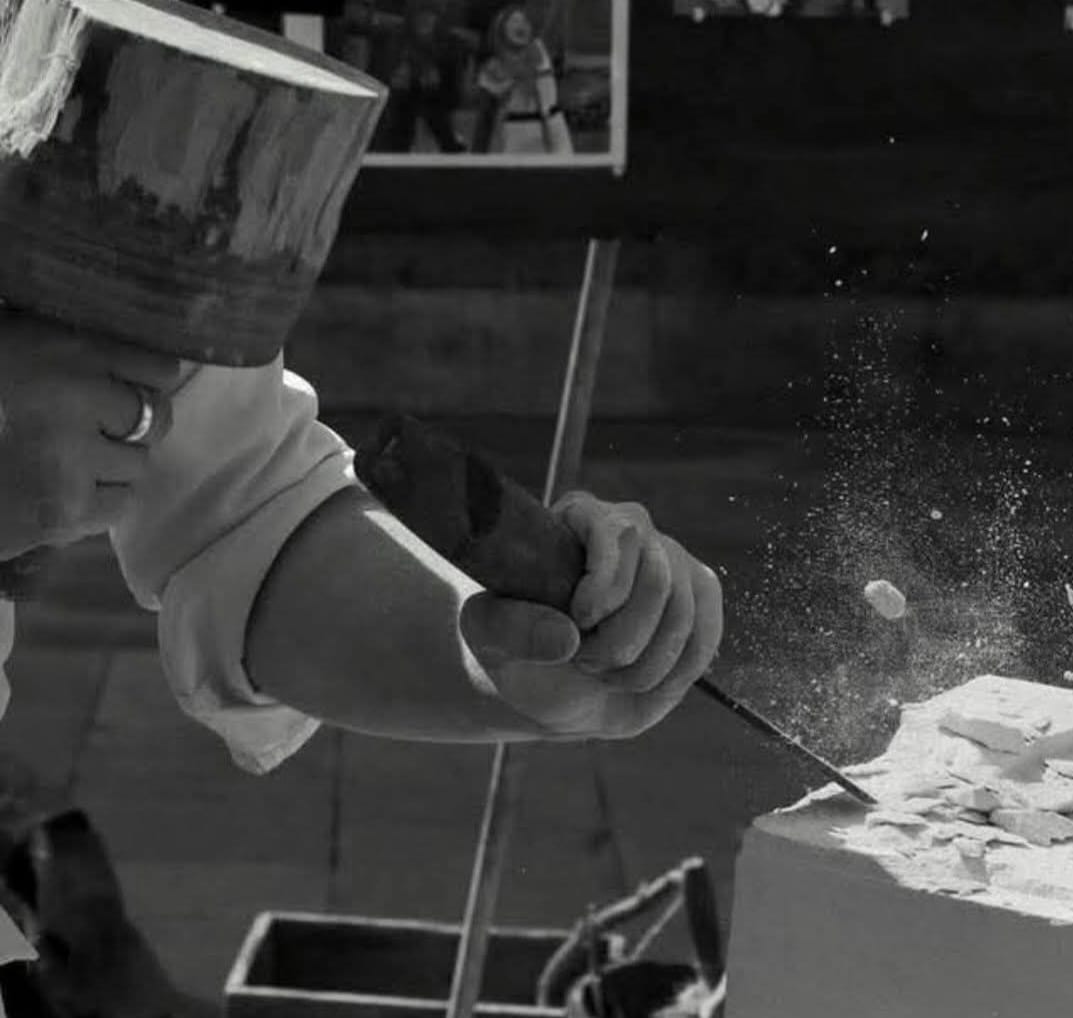
In the world of high-level stone carving, a piece is never truly finished until it meets the light it was designed for.
A long-standing client of mine originally commissioned a pair of classical urns for a property in Bahrain. Several years after the completion of that commission, I was approached to move those same carvings to another of their properties in The Hamptons.
After much discussion, the plan to move the originals was cancelled. Instead, we commissioned a second pair of urns specifically for the property in the US. This decision wasn’t about logistics; it was about the fundamental principles of sculpture.
The Architecture of Light and Location
When a top-level sculptural piece is carved, it is carved for a fixed position. The environment must dictate the hand of the sculptor.
- Global Light: Different parts of the world possess different qualities of light. The harsh, overhead sun of the Middle East interacts with stone very differently than the softer, coastal atmosphere of the Atlantic.
- The Interior Path: The carving must resolve exactly where the light falls. The stone demands a specific depth to hold the shadow; without it, the form collapses into the wall.
- Perspective and Purpose: From where will the piece be seen? Is the area for business or pleasure? The height and distance of the viewer change how the proportions must be managed.
Lessons from the Masters
This is exactly why people are often disappointed when they see Michelangelo’s David in person.
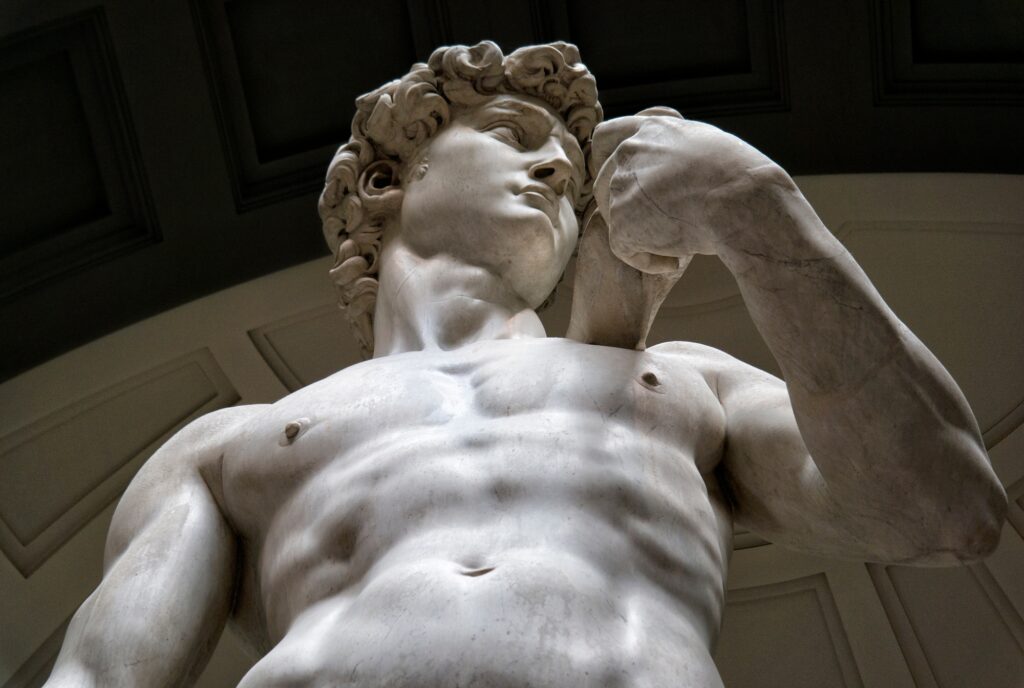
Correct
The David was originally carved to be placed high up on the roofline of Florence Cathedral. Because it was meant to be viewed from far below, Michelangelo used “optical corrections”—the head and hands are intentionally oversized so they would look “right” when looking up from the street. When you see it at eye level in a museum, those proportions can feel distorted. The sculpture was never intended to be seen at close range.
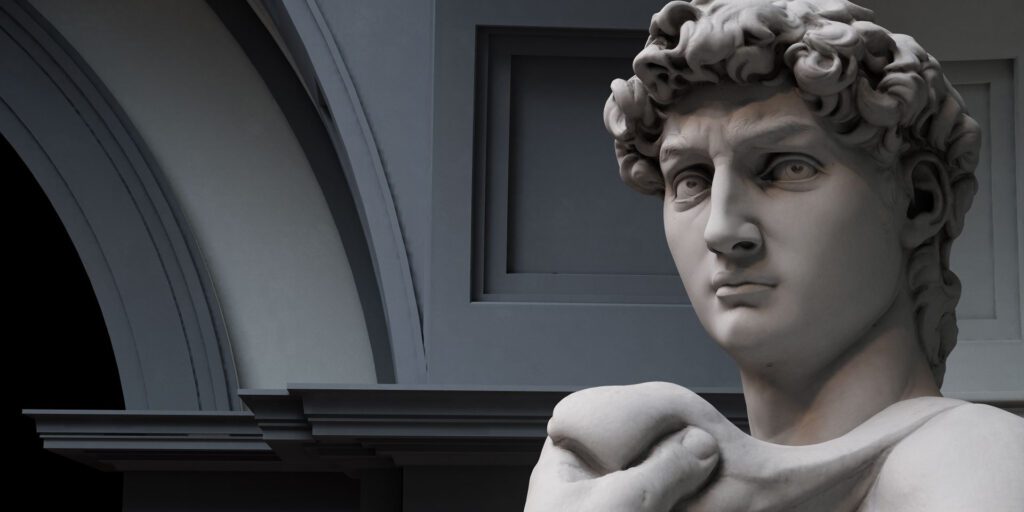
Incorrect
This is also why high-end architectural antiques—be it a fire surround or a figure—often fail to meet expectations. They were carved to resolve the specific visual requirements of their original home. When moved, that “fit” is lost because the carving is no longer in the environment it was designed to master.
Ocular Rectification
In every item I carve, I utilize Ocular Rectification. This involves subtly adjusting proportions and carving depths to account for how the human eye perceives an object within a specific space.
We offer a specialized consultation service to advise on the best final home for a piece. By analyzing the light and the intended viewing angles, we ensure the design achieves its maximum potential.
The moral of the story is this: Don’t just ask if these factors have been taken into account when buying or commissioning a sculpted piece. Instead, see if you are asked where it will be displayed at some point in the sale. If the sculptor doesn’t ask, you can decide for yourself the level of expertise you are dealing with.
INITIATE QUALIFICATION
This is the formal point of entry for all commissions, residencies, and consultations. To discuss a project or request a place in the Yard, you must first define the scope of your intent.
Begin Qualification
Leave a Reply