To look at my family tree is to see a map of a London that has largely slipped away. In the 1960s and 70s, we weren’t just living near the City; we were the very people who kept its historic heart beating. From the markets to the livery halls, every member of the family practiced a specific court craft that defined the era.
The Tower, the Markets, and the Hall
The men of the family held the line in the City’s most rugged and historic institutions. Grandad worked at the Tower of London, a daily connection to the very ancient bedrock of the city. Uncle George was a Smithfield Bummaree, a middleman porter who moved heavy sides of beef with a deceptive, practiced ease. He was a master of “pulling back” and “pitching,” instantly recognizable in his pristine white apron and a stout leather bobbin hat—the flat-topped headgear essential for balancing massive loads.
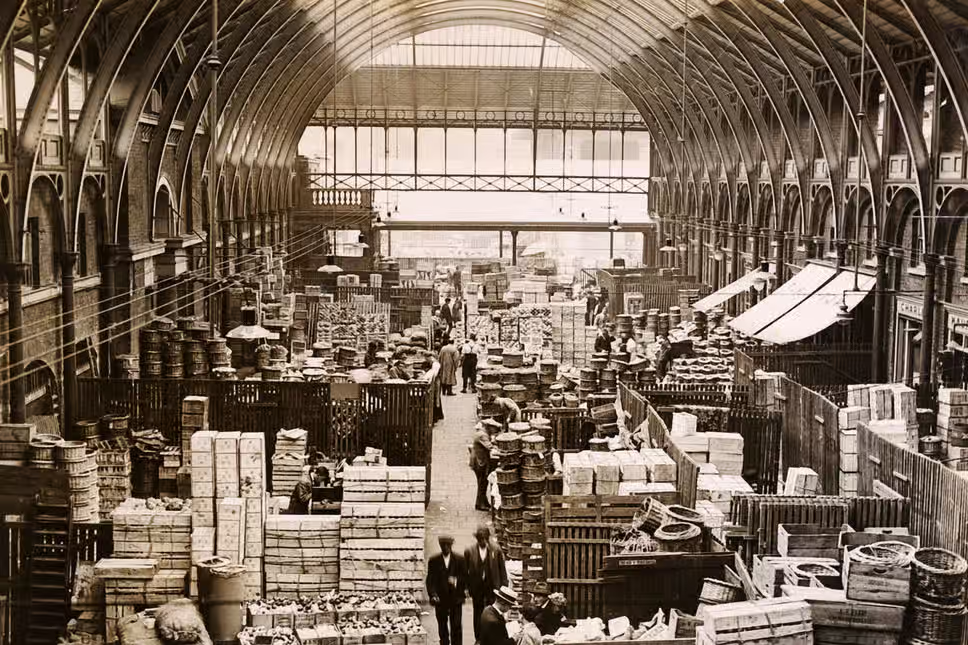
Nearby, Uncle Ernie was a porter at the old Covent Garden, and Uncle Ron worked amidst the ink and thunder of the Daily Express on Fleet Street. Even the ceremonial side of the City was represented: Uncle Bruce served as the Avenue Porter for the Worshipful Company of Carpenters, acting as the dignified guardian of the Hall’s entrance. Another Uncle George practiced his own court craft in the secretive, high-stakes trade of Hatton Garden.
The Sensory Trades of Finsbury
The work didn’t stop at the market gates. Our household was a collection of specialized skills that catered to the world’s tastes:
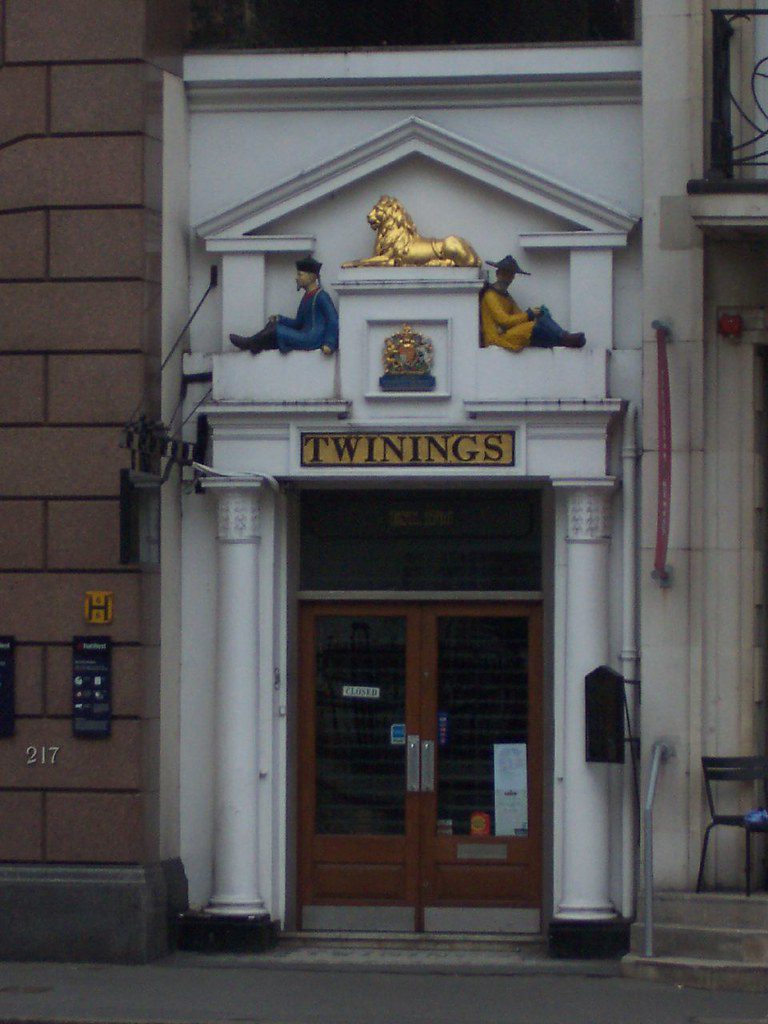
- Dad: A tea taster for Twinings on the Strand, identifying the subtle nuances of blends with a highly trained palate.
- Mum: A cigar roller, practicing a tactile and rhythmic art that required immense dexterity.
- Aunt Jean: Worked for Gordon’s Gin on Goswell Road, right in the heart of Finsbury, where the scent of juniper often hung in the air.
The Changing Landscape
We lived in Finsbury during a time when London was constantly reshaping itself. The physical world of my childhood was marked by the immediate post-war years; I remember being on the floor of the front room when a huge bang signaled that the back of our house was simply gone. It was a period of violent transition, where the ancient traditions of the City stood in sharp contrast to the demolition and rebuilding of the streets we called home.
A Legacy Continued
I eventually found my own place within this lineage, becoming a City of London Court Master. It was a natural progression for a family so deeply rooted in the Square Mile’s specialized guilds and industries. We were a family connected to the bedrock of London—a lineage of porters, rollers, and tasters who saw the City not as a set of buildings, but as a collection of trades and a way of life.
This family history is the reason I do not view court craft as a solitary pursuit, but as a living responsibility. From the Bummaree’s pristine apron to the tea taster’s refined judgment, I was raised to understand that every trade is a discipline and every practitioner a custodian of a standard. I eventually realized that the most vital lesson of this lineage—one I now pass to those who seek my counsel—is to treat every newcomer with the professional dignity of an equal, acknowledging they simply haven’t yet walked the miles. Having spent forty years at the heights of my own calling, I find my greatest purpose in giving my full attention to those ready to learn these sovereign skills. If you wish to anchor your own career in the grit and precision of this unbroken London tradition, you may apply for a place in the Lineage through the Private Office.
Leave a Reply