HOSTING A CRAFT FORMATION
A small number of Craft Formation gatherings each year are hosted by private patrons, family offices, cultural institutions, and historic estates.
Rather than attending a public programme, a host invites a small circle of individuals to participate in a private formation exploring classical craft disciplines, architectural thinking, and embodied attention.
These gatherings are intentionally limited in scale and designed to take place in environments where craft, architecture, and cultural heritage can be experienced directly.
THE ROLE OF THE HOST
The host acts as the patron of the formation.
Historically, many important intellectual and cultural movements developed through private patronage. Artists, architects, and craftsmen were often supported by individuals who wished to bring thoughtful people together around a serious discipline.
Hosting a Craft Formation follows this tradition.
The host selects a small group of participants from their personal or professional circle and invites them to take part in the gathering.
Participants often include founders, investors, family office principals, architects, collectors, and cultural patrons.
Most formations include between six and eight participants.
THE FORMATION EXPERIENCE
During the formation participants engage in the core disciplines that define the Court Master lineage.
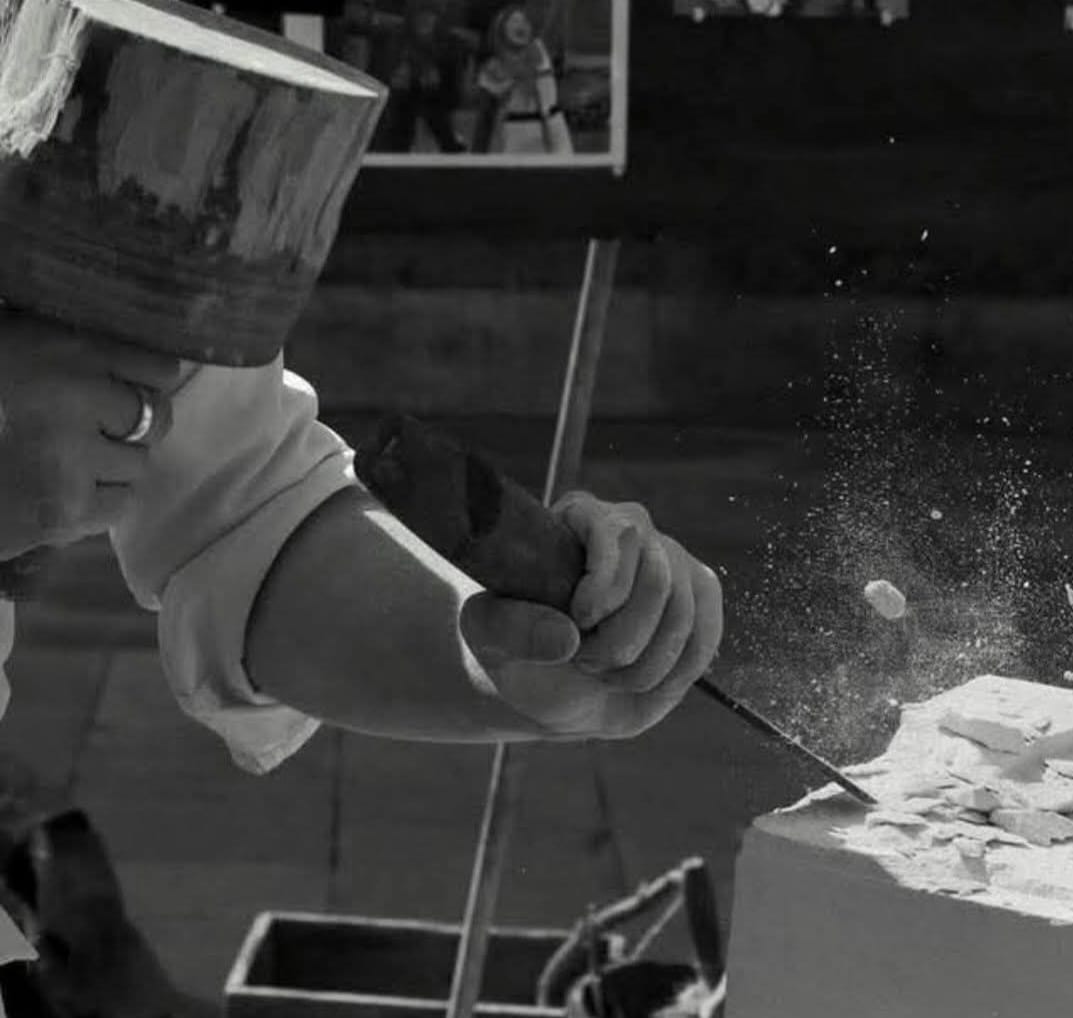
These typically include classical stone carving practice, architectural drawing and spatial reasoning exercises, and discussions on the philosophy and history of craft traditions.
Participants experience the kind of attention and physical engagement that characterised the workshops of master craftsmen for centuries.
The pace of the work is intentionally slower and more deliberate than modern professional life, allowing a different quality of thinking to emerge.
Shared meals, architectural exploration, and conversation form an important part of the experience.
LOCATIONS
Hosted formations usually take place in environments that reinforce the philosophy of the work.
Typical locations include historic estates, architecturally significant houses, monasteries, cultural foundations, or private heritage properties.
The Private Office works with the host to determine the most appropriate setting for the gathering.
DURATION
Most hosted formations take place over four to five days.
This allows participants to move beyond the pace of modern professional life and fully engage with the craft disciplines and discussions that shape the formation.
PATRONAGE
The formation is supported by the host as a form of cultural patronage.
Rather than selling individual places, the gathering is convened by the host and offered to invited participants as part of a private intellectual and cultural exchange.
This structure reflects the historical role of patrons in supporting craft traditions and architectural culture.
THE PRIVATE OFFICE
The Private Office works directly with patrons and institutions who wish to host a formation.
This includes planning the programme, determining the number of participants, selecting the location, and coordinating the practical arrangements.
Each formation is designed individually to suit the host and the character of the location.
BEGINNING THE CONVERSATION
Individuals, family offices, and cultural institutions interested in hosting a Craft Formation are invited to begin with a private conversation with the Private Office.
This initial discussion allows the purpose, location, and structure of the formation to be explored.
Because the work is intentionally limited in scale, only a small number of hosted formations take place each year.