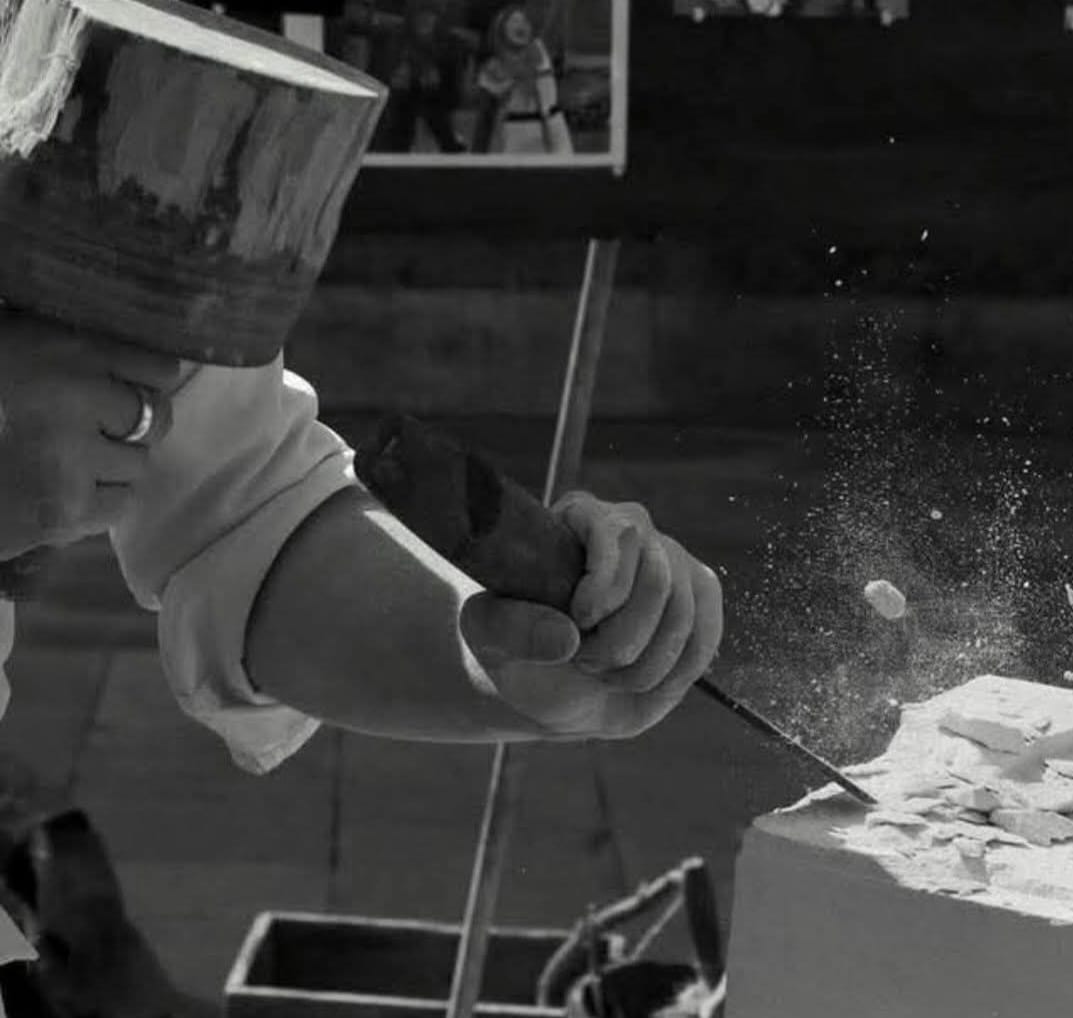
To understand the 2005 commission for the Cannes and Perpignan centres, one must look further back to the foundations of my practice in Knightsbridge, London. It was there, while attending to the residential requirements of Middle Eastern royalty, that I first refined the application of “The Renaissance Proportion” for a discerning elite.
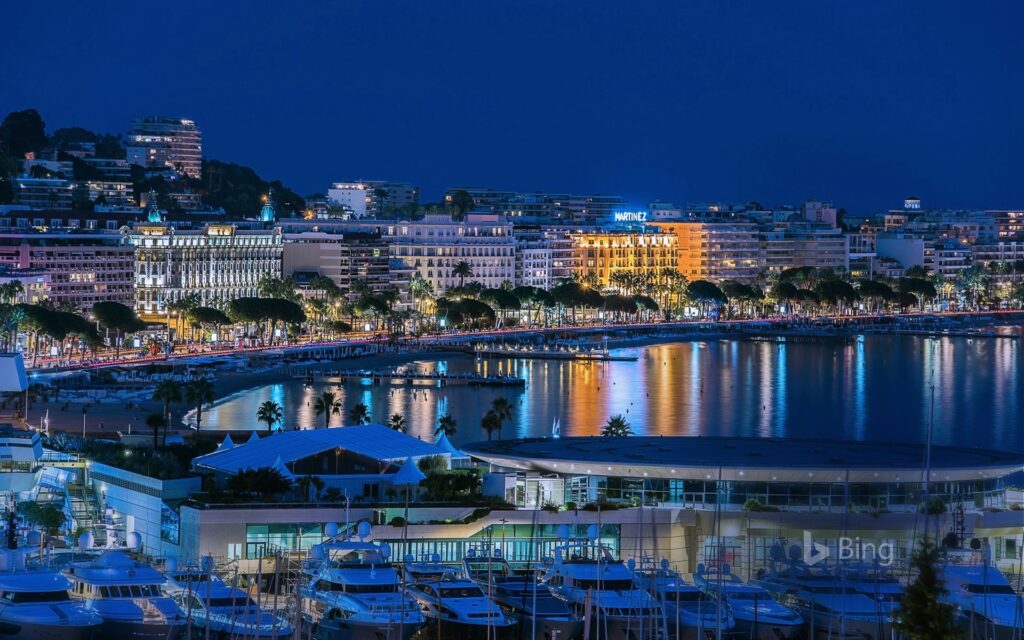
Serving a royal clientele requires an understanding that goes beyond mere aesthetics; it demands an environment that reflects both sovereign dignity and absolute privacy. The expectations of a High-Net-Worth individual remain constant, whether they are in a private residence in SW1 or a boutique on the Boulevard de la Croisette.
The Architecture of Emotion: How Proportion Dictates the Soul of a Space
In the practice of architecture, proportion is far more than a mathematical exercise; it is the silent orchestration of a client’s emotional state. When we manipulate the relationship between height, width, and depth, we are essentially “tuning” the atmosphere of a room to resonate with the human psyche. Drawing from the principles applied to the projects in Cannes and Perpignan, we can observe how specific ratios dictate the inherent “feeling” of a space.
The Psychological Scale of Proportion
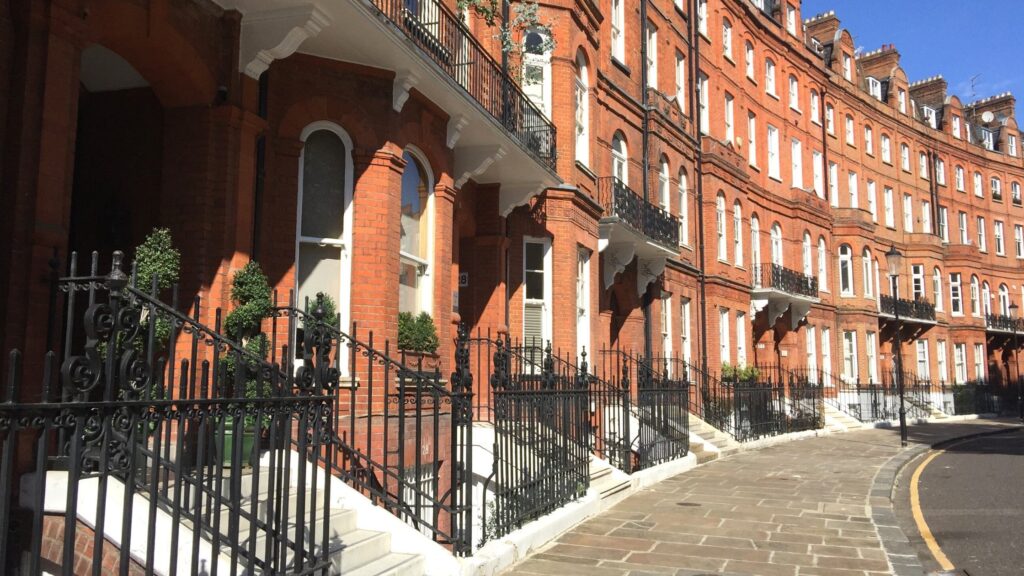
The way a person feels upon entering a room is often determined by the ratio of the enclosure, a phenomenon frequently referred to in environmental psychology as the “Cathedral Effect.” In the Cannes flagship, we utilized high vertical ratios to evoke aspiration and freedom. When the ceiling height significantly exceeds the width of the space, it encourages abstract processing. For a High-Net-Worth client, this translates to a feeling of limitless possibility—the ideal state for appreciating luxury couture.
Conversely, in the private fitting suites, we moved toward more compressed, horizontal ratios, staying close to the Golden Ratio of $1:1.618$. These proportions trigger a sense of security and focus, creating a “refuge” where the client feels grounded and attentive to the fine details of a garment.
Harmony and the Cognitive Ease of the Renaissance
The human brain is evolutionarily wired to recognize patterns found in nature. When a shop front or a retail salon adheres to Renaissance proportions, the observer experiences “cognitive ease.” If these proportions are neglected, the client may feel a subtle, inexplicable sense of unease that can shorten their stay.
We see this most clearly in the application of different geometric ideals. The Golden Ratio itself provides a sense of natural harmony, making it ideal for window apertures and display shelving. The stability and formality of a perfect square are best suited for entry foyers and central podiums, while the elegance of the “Double Cube” ($1:2$) creates a rhythmic promenade through long galleries.
Designing the “Atmospheric Void”
As learned during my tenure in Knightsbridge, true luxury often resides in what is not there. By using strict proportions, we create a “balanced void.” If a room is disproportionately large, it feels cavernous; if it is too small, it feels claustrophobic. By returning to the proportions of the Renaissance, we find the “just right” scale where the architecture feels like a natural extension of the human body.
This is why the spaces in Perpignan felt so remarkably “settled.” The mathematics worked upon the subconscious, whispering to the client that they were in a place of order, safety, and prestige.
The Permanent Geometry of Peace
Today, I bring this same dedication to proportion and the “balanced void” to the retreats I host. Whether I am adjusting the line of a shop front in Cannes or curate the atmosphere of a restorative sanctuary, the goal remains the same: to create a peace treaty between the individual and the world around them.
The work completed in 2005 remains a testament to the fact that while fashion is ephemeral, the geometry of beauty is permanent. I invite you to join me in these curated spaces, where the architecture is designed not just to be seen, but to allow the soul to feel at home through the grace of perfect proportion.
The Master’s Lineage: A Journey Through Stone, Wood, and Time
The Grit Behind the Lineage: Lessons from Syria
The Legacy of the Master Builder: From Knightsbridge to the Côte d’Azur
The Permanent Record: One Patron, Seven Hundred Miles of Stone
Structural Legacy: From the British Museum Great Court to the 1080 Protocol
The Gold Thread: A Discovery in a Drawer
The Itinerant Path: From Picardy’s Spires to the Soul of Stone
A Year in the Shadow of Greatness: My Tenure at Woburn Abbey
The Alchemical Stone: Lessons from a Practitioner of the Renaissance
The Start of My Philosophical JourneyThe Music of the Spheres: A Journey Through London’s Stone
The Master’s Ledger: Blood, Stone, and the Xhosa Training
Unearthing Africa’s Enduring Art: My Journey Through Stone Carving Traditions
The Travels of a Classically Trained Journeyman
Stone, Studios, and Star Power: My Days with George Michael
Embracing the Eccentricities: A Journey of Ancient Traditions and Modernity in the City of London
The Bearer of the Song: A Life in Notes and Stone
We are currently reviewing candidates for 2026-27.
Apply to Qualify for the Initiate Path | Begin Qualification
Leave a Reply