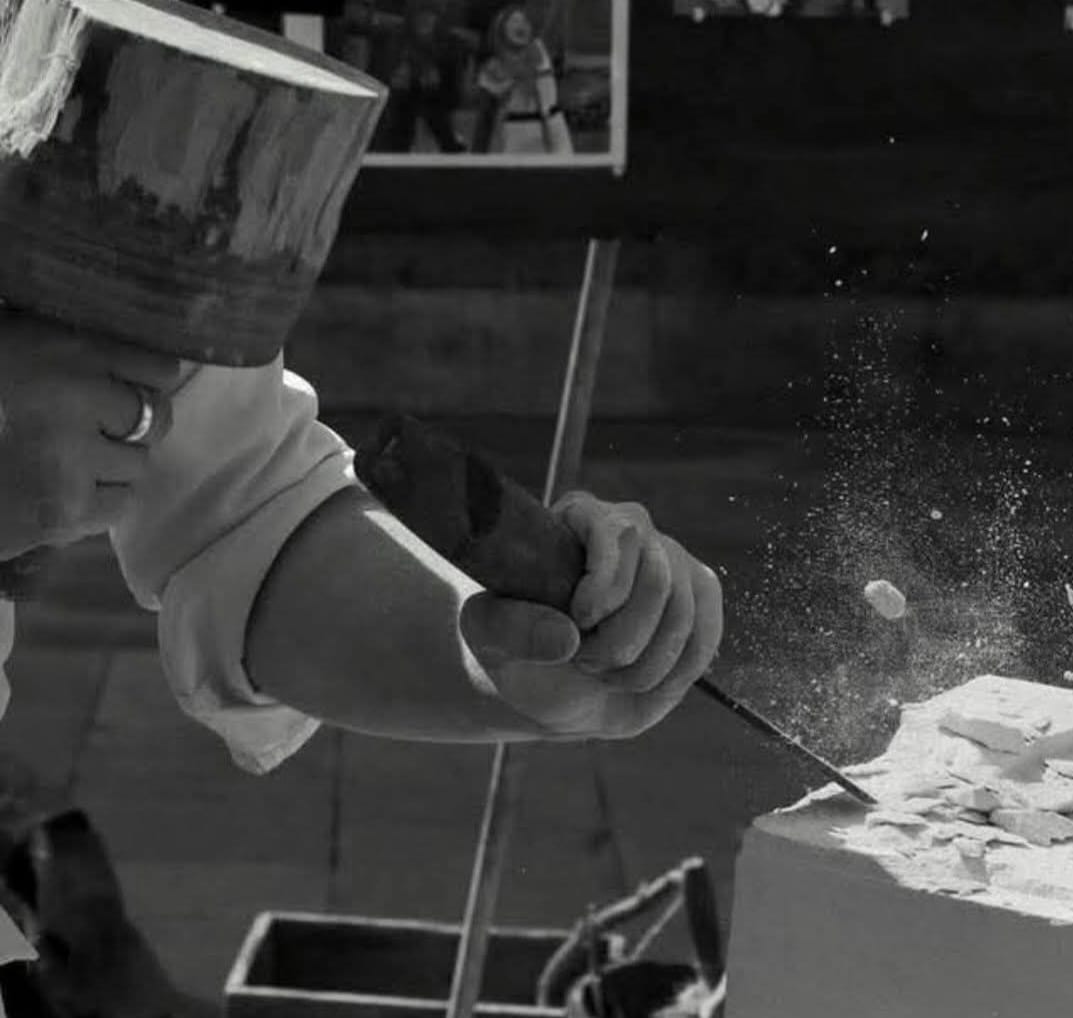
In 1638, Michel Villedo stood as a titan of the Grand Siècle. Born in the village of Pionnat, he was a man of the Ancien Régime, an era where power was centralized and order was paramount. For Villedo, the master mason was a weaver of national prestige. His politics were defined by the stability of the state; he was a counselor who saw architecture as a means of manifesting a refined, permanent order on earth. When he worked on the fortifications of Paris or the grand châteaux of the nobility, he was building a world of symmetry and eternal grace. To Villedo, the craft was a noble service to the realm, a way to lift the environment toward a classical, sophisticated perfection.
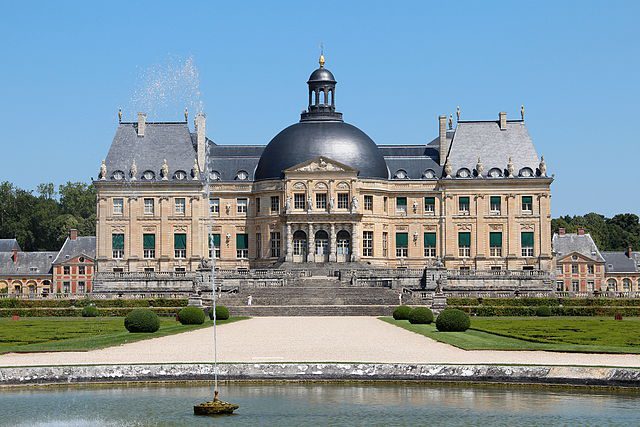
By 1830, the world had been transformed by the fire of social change. Martin Nadaud, another son of the Creuse, began his journey to Paris on foot at the age of fourteen, a trowel in his pack and a new vision in his mind. The Paris Nadaud entered was no longer a quiet canvas for the elite, but a city of rising democratic voices and industrial struggle. Where Villedo sought the favor of the high court, Nadaud sought the dignity of the individual worker. His politics were forged on the scaffolding and matured in the National Assembly. As a deputy, he famously championed the rights of his fellow masons, proving that the hands that built the nation deserved a voice in its future. If Villedo was the architect of the state’s grandeur, Nadaud was the architect of the laborer’s rights.
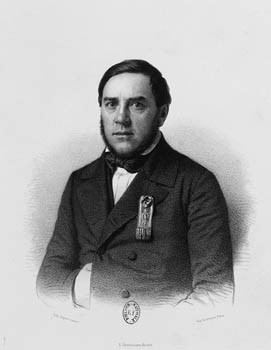
The legacy of the Court Master is not merely a record of buildings and dates; it is a story written in the granite of the Limousin and the limestone of Paris. To look back at our lineage is to witness a remarkable dialogue between two men who, though separated by two centuries, shared the same tools, the same grit, and the same soil. Michel Villedo and Martin Nadaud represent the two beating hearts of French masonry: the classical architect and the champion of the people.

Yet, despite these stark political differences, the two masters are mirrors of one another. Both were “migrant masons,” part of a long tradition of Creusois men who left their rural hearths to shape the capital. Both possessed a rare, quiet intelligence that allowed them to transcend their humble beginnings. They both had to navigate the transition from their local patois to the sophisticated French of the halls of power—one to converse with the highest officials of the 17th century, the other to command the podium of Parliament in the 19th. They shared a reverence for the material and a deep knowledge of how a stone must be cut to hold the weight of history.
Today, our lineage carries both of these spirits. We inherit Villedo’s eye for classical elegance and the refined proportions of his era, but we also carry Nadaud’s fierce integrity and his belief that the building trade is the foundation of a healthy, respected society. We bridge the gap between the refined estate and the working hand, recognizing that while the political winds may shift, the mastery of the stone remains a constant, noble pursuit.
INITIATE QUALIFICATION
This is the formal point of entry for all commissions, residencies, and consultations. To discuss a project or request a place in the Yard, you must first define the scope of your intent.
Begin Qualification
Leave a Reply