200 Bricks and 2,000 Words: The Churchill Standard.
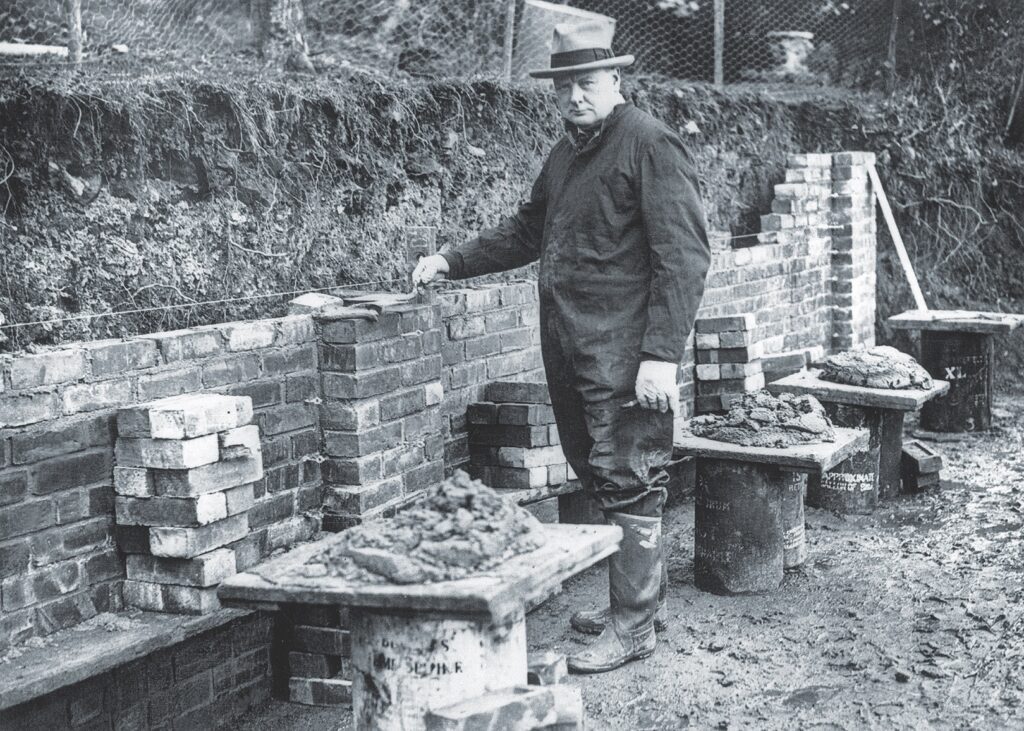
The Story History Missed Most picture Winston Churchill in a pinstriped suit, staring down the Axis powers from a war room. But if you had visited his home at Chartwell, you would have found him in a different uniform: overalls and a mason’s trowel.
Churchill was a prolific bricklayer. He built massive kitchen garden walls, cottages, and even reinforced a pillbox at the height of WWII. He wasn’t “dabbling”—he was practicing Active Rest.
The Mechanics of the Mind Churchill famously stated he could produce “200 bricks and 2,000 words a day.” For him, the physical act of laying a brick—the precision, the weight, the immediate visual progress—was not a distraction from his leadership; it was the fuel for it.
In an era of abstract “knowledge work,” Churchill’s obsession offers three vital lessons for the modern legacy-builder:
- The Power of Active Rest: Switching from mental strategy to physical labor allows the brain to process complex problems in the “background” of the mind.
- The Requirement of the Tangible: There is a deep psychological dividend in seeing a wall stand where there was once nothing. It provides a “finished” feeling that a spreadsheet never can.
- The Beginner’s Mind: Despite his status, Churchill joined a trade union and took feedback on his technique. He remained a student of the craft.
“To be really happy and really safe, one ought to have at least two or three hobbies, and they must all be real.” — Winston Churchill
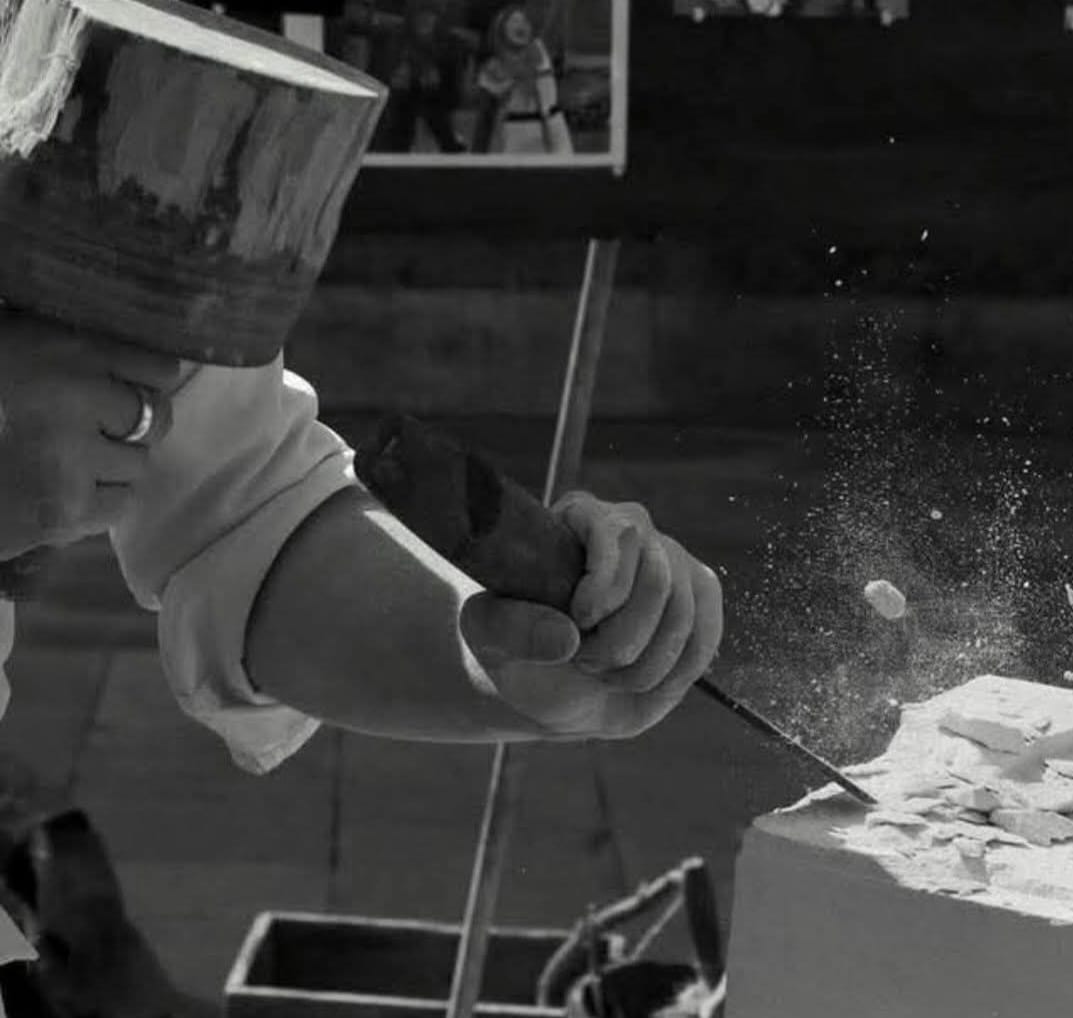
Finding Your “Kitchen Garden Wall” The goal of the 1080 Lineage is to find a manual escape that demands total presence. At my retreats, we use the stone to achieve this. It is a “different kind of tired” than the one you feel at your desk.
Churchill’s walls still stand at Chartwell today—a physical testament to the idea that the best way to lead is to occasionally step away from the desk and pick up a tool.
The Ledger is currently open for those seeking to build their own “Stone Standard” in 2026.
Leave a Reply