My grandad was, for all intents and purposes, my dad. A proud Lancastrian with a formidable work ethic, he was a man of quiet discipline. Having served as a Grenadier Guardsman during the war, he carried that military precision with him for the rest of his life. He did not drink or gamble; his only vice was the pipe that eventually claimed him. Like the dad immortalized by Ian Dury, he “made a racket when he rowed,” yet he possessed an unwavering sense of propriety. I never once saw him unshaven, nor without his teeth in. He was a man of right and wrong. He was my dad.
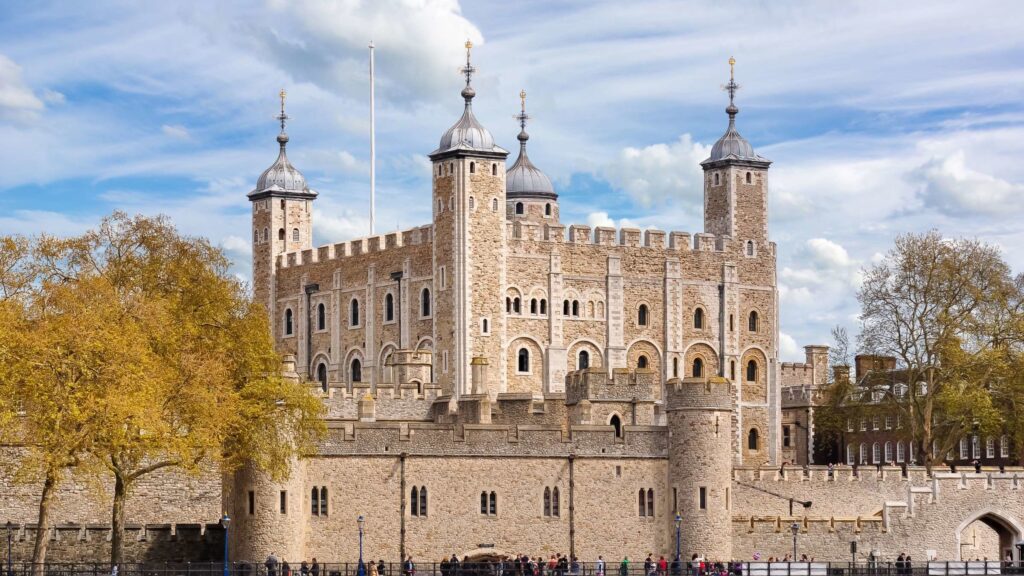
From the years following the war until the mid-1970s, he worked at the Tower of London for the Department of the Environment—the precursor to English Heritage. On certain Saturdays, I would perform the small but solemn duty of bringing him his lunch.
Because I was young and clearly captivated by my surroundings, the Yeoman Warders and soldiers took me under their wing, sharing the dark and storied history of the fortress. One Warder in particular, Mr. Williams, was a dear family friend. He had a disabled daughter and would occasionally join us for tea, bringing the dignity of his office into the comfort of our home.
One of the crowning moments of my youth occurred during a school visit; Mr. Williams stepped forward from the pageantry and greeted me: “Hello Steve, back again?” For a few days, I was the most popular boy in school. But more importantly, it forged a permanent link between my own identity and the history of London.
I recall the Warders telling me of the pub on Great Tower Street where Peter the Great, the Russian Tsar, used to drink. He had come to London incognito—spying, in a sense—to learn the secrets of the British shipbuilders at Deptford. Despite his attempts at secrecy, a man of his stature was hard to miss, and the tavern eventually took his name, the Czar’s Head, in honor of its most peculiar regular. On the way home, my grandad and I would often stop there. He would permit himself his one pint, and I would have a pineapple juice, sitting in the very spot where a Tsar once sat.
During those visits to the Tower, I became fascinated by the inscriptions left behind by prisoners—specifically the name Everard Digby carved into the wall. Seeing a name etched so permanently into the fabric of the building left a lasting impression on me; it was a testament to the fact that even in the darkest times, man feels the need to leave a mark that endures.
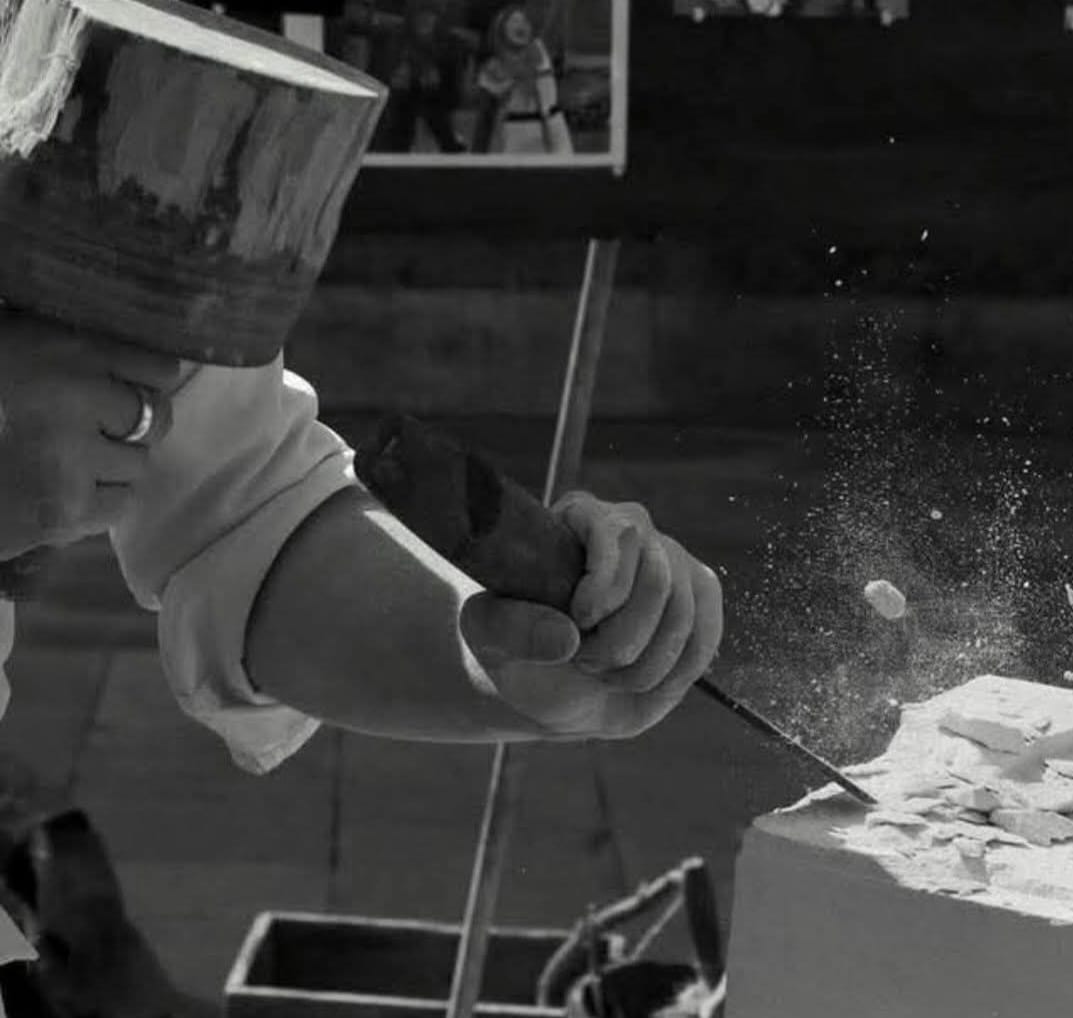
Today, that same sense of pride and responsibility guides my hand as a carver. There is a profound weight in knowing that almost everything I carve will remain long after I am gone. It is a commitment to excellence inherited from a strong man who served his country and cared for its history—it is what keeps me enthused by the stone today.
INITIATE QUALIFICATION
This is the formal point of entry for all commissions, residencies, and consultations. To discuss a project or request a place in the Yard, you must first define the scope of your intent.
Begin Qualification
Leave a Reply