The Connaught (connacht)Sculptural Workshop
Stone • Landscape • Material Tradition in the West of Ireland
The West of Ireland
There was a time when every part of Ireland carried its own architectural language.
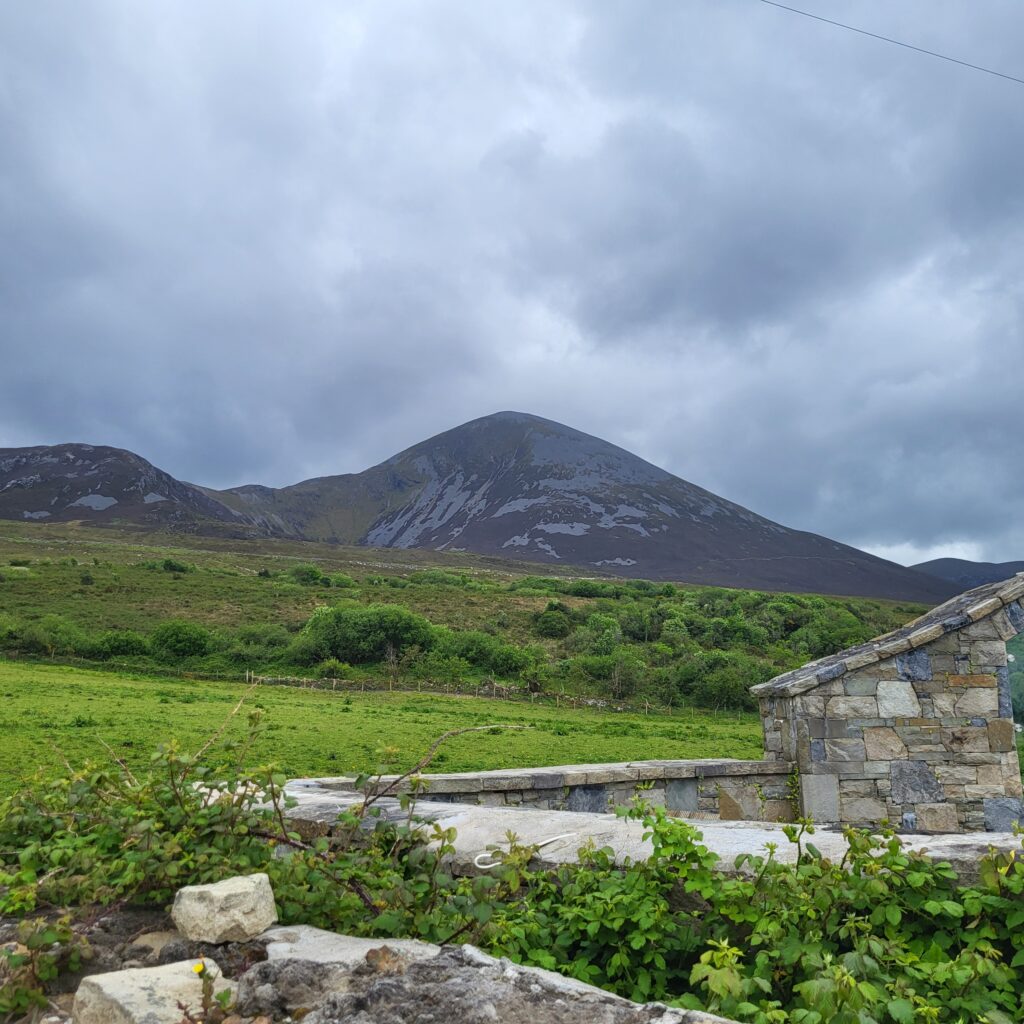
Connacht carving differed from Munster. Munster differed from Leinster. Different rhythms. Different proportions. Different relationships between ornament, structure, light, symbolism, and landscape.
Much of that knowledge has now almost disappeared.
Not simply the physical carving itself, but the deeper understanding behind it.
For centuries, the older stone carving traditions of Ireland were transmitted directly from master craftsman to apprentice through long working lineages. Much of the reasoning was oral rather than written. The philosophy behind the carving, the structural judgement, the proportional systems, the symbolic understanding, what details could be altered, and what details could never be altered were often passed directly hand to hand within the craft itself.
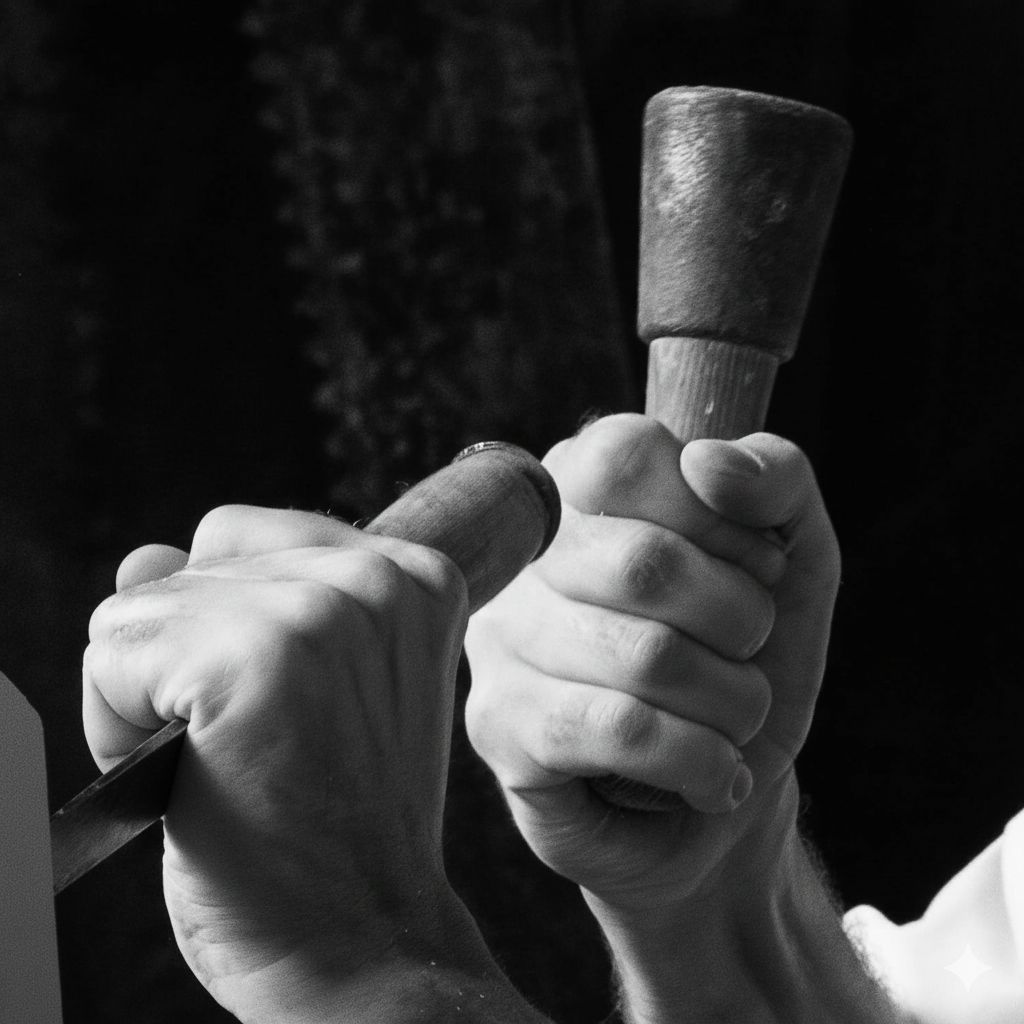
A doorway can be measured. A capital can be copied. A carved stone can be photographed.
But without direct transmission, much of the deeper reasoning behind the work disappears.
Today, very few craftsmen still work within anything close to these older traditions in their original form.
About the Workshop
The Connacht Sculptural Workshop is being established in the west of Ireland as a living working environment dedicated to preserving and transmitting elements of the older western Irish carving traditions through direct work in stone.
This is not simply a modern sculpture course.
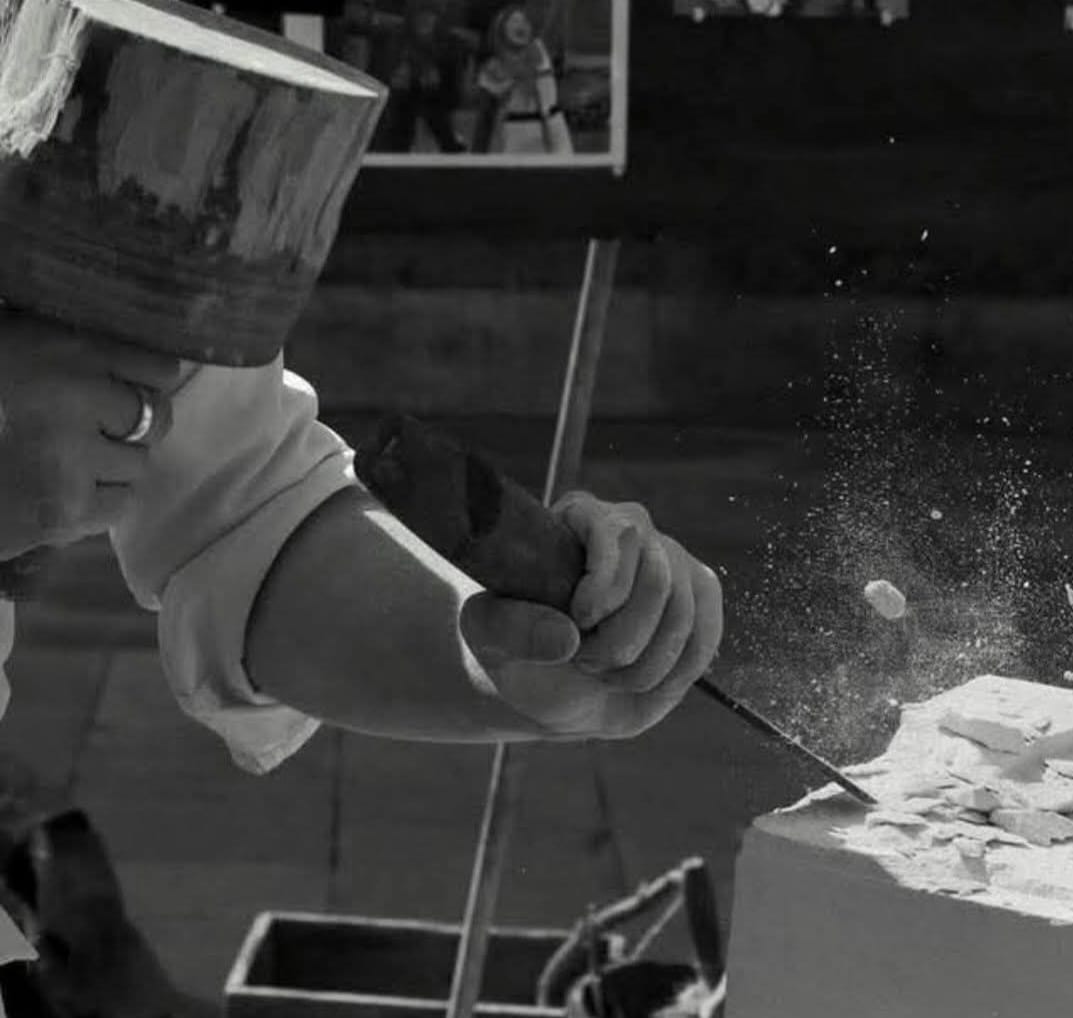
Participants work directly with traditional hand tools through rhythm, proportion, structure, architectural form, landscape, and material understanding.
The work draws from the older carving traditions of Connacht and western Ireland, where stone, music, language, landscape, memory, and daily life were never fully separated from one another.
Participants engage directly with stone through hand carving within a small-scale workshop environment shaped by Irish landscape, architectural tradition, and cultural memory.
Many participants attend the formations independently from Ireland, Britain, Europe, Canada, and America.
The groups are intentionally small in scale, allowing participants to settle quickly into the working rhythm of the workshop and the west of Ireland itself.
No previous experience is required.
The formations are designed both for complete beginners and for those already working within sculpture, architecture, conservation, design, archaeology, heritage, or traditional crafts.
Independent travellers are welcomed regularly within the formations.
Alongside the practical carving work, participants are also introduced to aspects of Irish cultural tradition connected to the work itself — including landscape, music, architecture, rhythm, folklore, and the older threshold traditions of western Ireland.
During the longer five- and six-day formations, evenings may also include optional shared meals, conversations, music sessions, landscape visits, or informal discussions connected to Irish culture, memory, and tradition.
Participation outside the workshop hours is entirely optional, allowing people either to join the wider group rhythm or to spend quiet time independently within the west of Ireland.
The work remains grounded in direct practical making:
stone,
tools,
material,
structure,
weight,
rhythm,
and the slow development of understanding through the hand itself.
The workshop draws from:
- Early Irish stone traditions
- Romanesque Ireland
- Irish Norman carving
- Gothic architectural carving
- Threshold symbolism and architectural transition
- The carving traditions of Connacht and the west of Ireland
- The relationship between music, rhythm, and carved structure
- Landscape, oral memory, and material culture
Small groups only. Maximum six participants.
Learn about The Community Partnership Programme to earn money for your charity, cause or organisation.
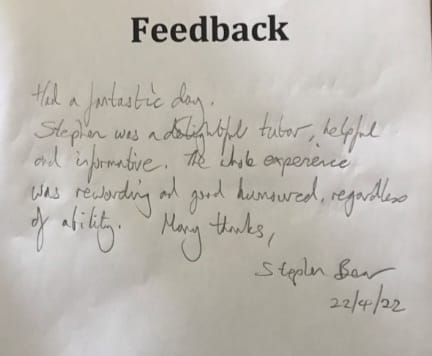
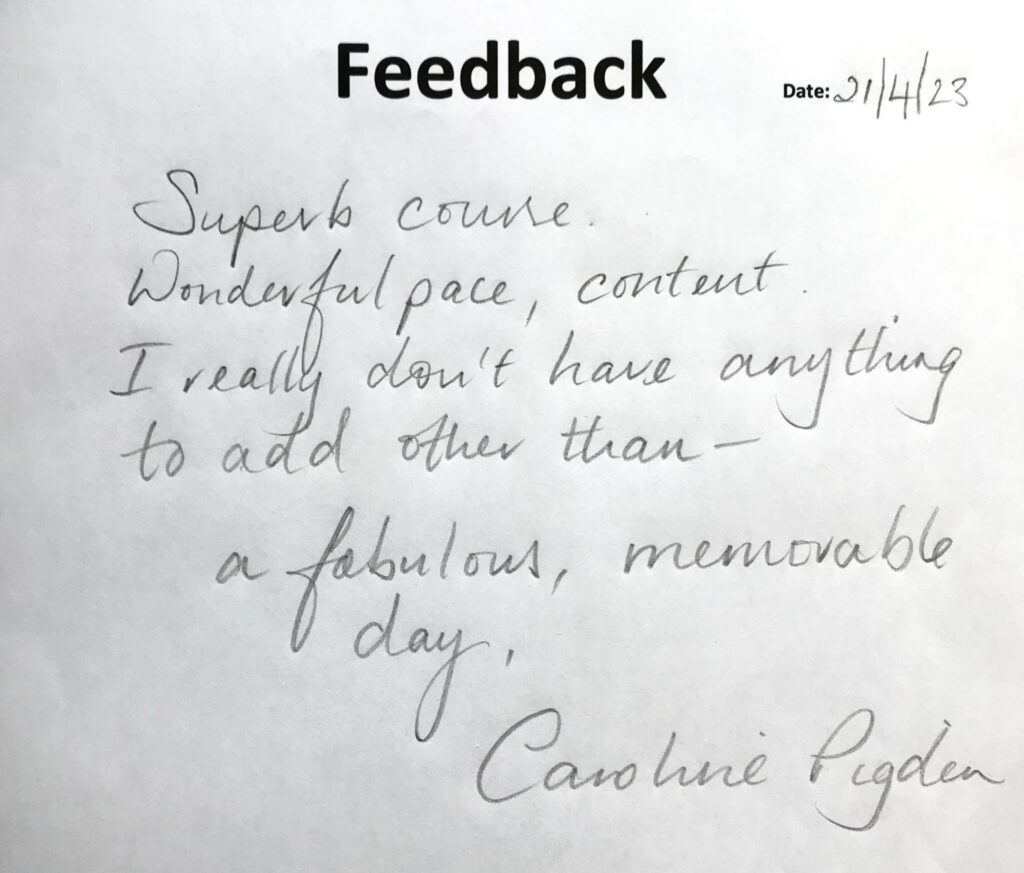
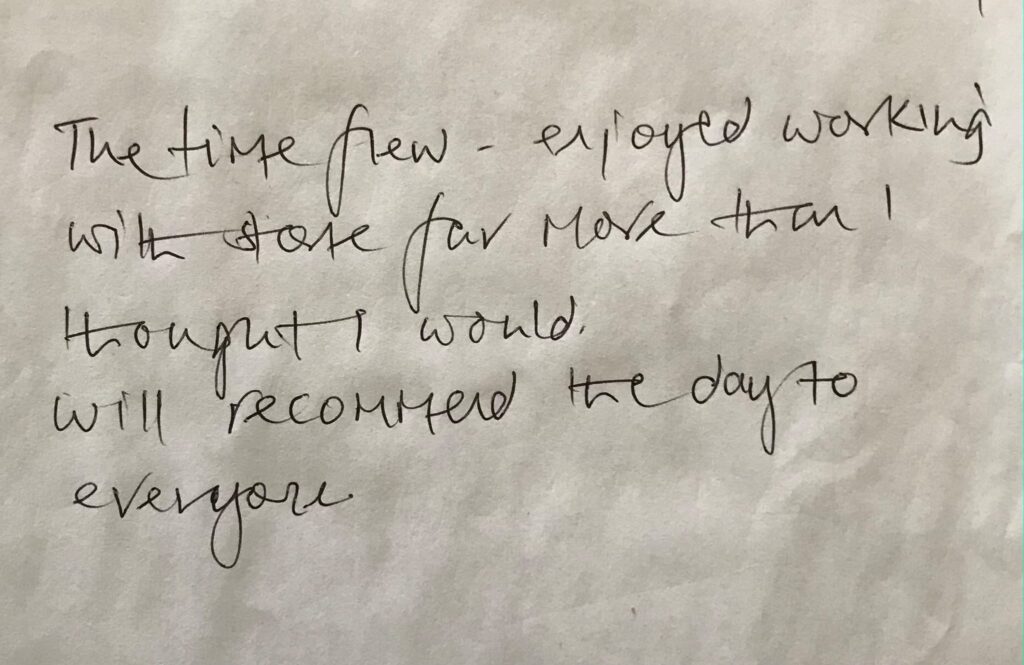
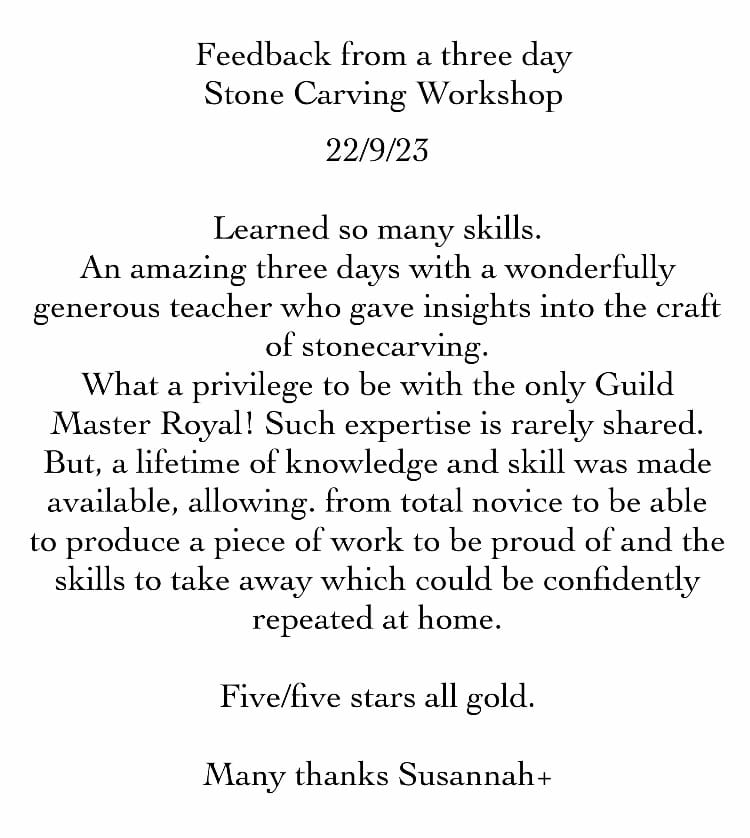
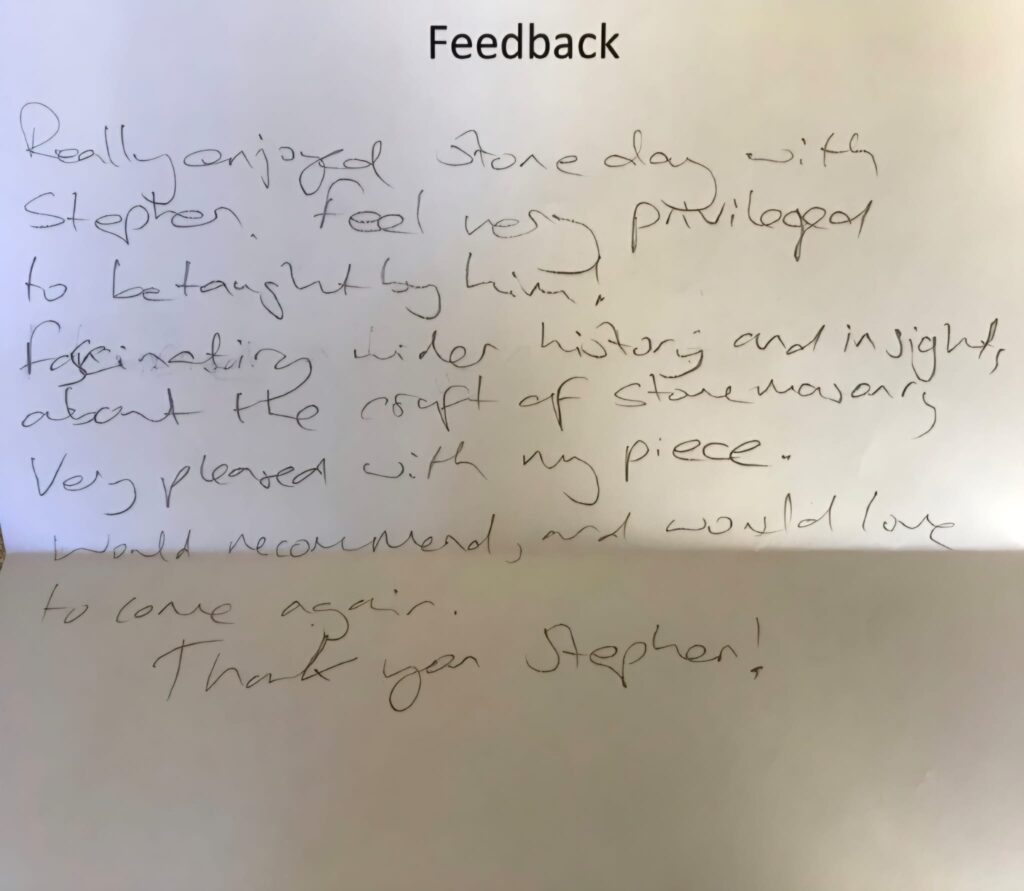
Participant Reflections
Participants have attended previous formations ranging from complete beginners to experienced craftsmen, architects, and heritage enthusiasts.
Many arrive with little or no prior experience of stone carving, yet leave with both practical understanding and a deeper appreciation of the architectural and cultural traditions behind the work.
Lineage and Formation
My own training emerged through direct lineage transmission within older craft systems rather than academic reconstruction. The Guild I belong to and was trained through was established in 936.
Over forty years ago, during my apprenticeship in London, I was fortunate enough to be trained by Irish master craftsmen from the west of Ireland whose own knowledge emerged from living working traditions.
I later worked as a Master Mason and architectural stone carver on projects connected to:
- The British Museum
- The Palace of Westminster
- Windsor Castle
- The Doge’s Palace, Venice
- The Vatican
My apprenticeship itself extended across many years through direct practical formation rather than short institutional training.
Much of my present work is now centred on preserving and transmitting elements of the older Connacht carving traditions before they disappear entirely.
Why I Teach
People sometimes assume I teach because I need to.
That is not the case.
I continue to undertake architectural and sculptural commissions, and I have enough work to remain occupied professionally.
I teach because once a living craft lineage is broken, it becomes extraordinarily difficult to recover what has been lost.
The knowledge I received was given directly through working lineage and long apprenticeship.
I believe strongly that knowledge transmitted in that way carries with it a responsibility to pass it onwards.
Whether someone comes for a single day, a week, or a far longer formation, I try to transmit as much of the deeper tradition as possible while it is still alive enough to be passed directly from hand to hand.
That, to me, matters as much as the finished carving itself.
One-Day and Two-Day Formations
A limited number of one-day and two-day formations are available during 2026 and 2027.
22 August 2026-19 September 2026-17 October 2026
21 August 2027-18 September 2027-16 October 2027
These smaller formations provide direct introduction to:
- Traditional hand carving methods
- Romanesque and early Irish forms
- Rhythm and proportion in stone
- Tool control and material understanding
- Connacht carving traditions
- Thresholds, ornament, and architectural symbolism
Suitable for:
- Individuals
- Families
- Couples
- Visitors to Ireland
- Irish diaspora participants
- Architects and artists
- Complete beginners
One-Day Formation — €350
Two-Day Formation — €650
For family formations, a second place for a parent, adult child, grandparent, or grandchild may be included without additional course cost.
Five-Day Connacht Formation
An Conair Fhada — The Long Path
The five-day formations are deeper immersive experiences centred on the older carving traditions of western Ireland.
Participants work directly through sustained carving practice alongside discussion of:
- Irish architectural traditions
- Symbolic structure
- Proportion systems
- Landscape and material culture
- Rhythm and carving
- The relationship between music and structure
- The philosophy behind traditional craftsmanship
Maximum six participants.
Five-Day Formation — €3,500
Seasonal Irish Formations
Throughout the year, a series of seasonal formations aligned to the older Irish calendar and cultural rhythm take place in County Mayo.
These include:
Imbolc
Week commencing Monday 1 February 2027
Seachtain Naomh Pádraig — St Patrick’s Week
Week commencing Monday 15 March 2027
Bealtaine
Week commencing Monday 3 May 2027
Lughnasadh / Lúnasa
Week commencing Monday 2 August 2027
An Clochán: Ceol na Cloiche — The Music of Stone
Week commencing Monday 10 August 2026
Week commencing Monday 9 August 2027
Held following Fleadh Cheoil na hÉireann.
This formation explores the relationship between rhythm in Irish traditional music and rhythm within carved architectural structure.
Samhain
Week commencing Monday 26 October 2026
Week commencing Monday 25 October 2027
Private Group Formations


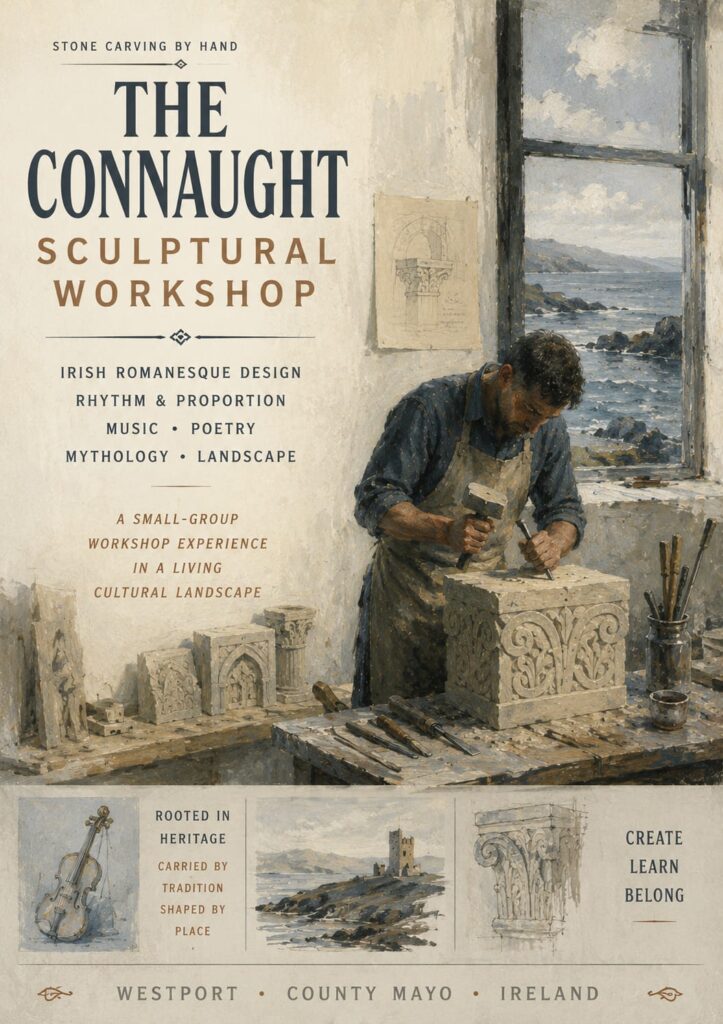
For all private formations a poster is designed that connects some way with the groiups interest. Here are a selection of past posters.
Private formations can be arranged for:
- Architects
- Museums
- Heritage organisations
- Universities
- Retreat groups
- Families
- Professional teams
- Irish diaspora groups
Subjects can be tailored toward:
- Romanesque carving
- Connacht traditions
- Threshold symbolism
- Landscape carving
- Rhythm and structure
- Irish mythology and architecture
- Sacred carving traditions
- Architectural proportion
Group durations available:
- One day
- Two days
- Five days
- Extended private formations
Eight-Week & Sixteen-Week Residencies
Advanced long-form residencies for artists, architects, designers, collectors, craftspeople, and individuals seeking deeper immersion within the craft tradition.
Eight-Week Residency
£48,000
An extended immersion within the workshop intended for those seeking deeper engagement with western Irish material tradition, rhythm, structure, and long-form making.
The residency combines:
- Daily workshop practice
- Advanced carving instruction
- Design and proportion studies
- Cultural landscape engagement
- Individual project development
- Direct participation in workshop commissions
Sixteen-Week Private Residency
£150,000
A highly selective long-form residency limited to a very small number of participants.
This residency combines:
- Advanced private instruction
- Long-duration workshop practice
- Cultural and architectural travel
- Direct participation in live commissions
- Structural and material training
- Individual project development
Residencies may take place across Ireland and selected European locations connected to the historical carving tradition.
The Workshop Environment
The workshop itself is being developed as a living sculptural environment inspired by the older architectural traditions of Ireland.
Romanesque thresholds, carved forms, symbolic transitions, and early architectural languages will form part of the physical structure of the workshop itself.
The intention is not merely to create a teaching room, but a living craft house in which the older relationship between architecture, carving, landscape, rhythm, and cultural memory can still be experienced directly.
County Mayo — West of Ireland
The workshop is located in County Mayo in the west of Ireland.
A landscape long associated with pilgrimage, music, oral tradition, stone, and older forms of Irish cultural continuity.
For many participants of Irish descent, the formations also become a form of reconnection with ancestral landscape and heritage.
Commissions
Alongside teaching, the workshop undertakes private commissions informed by western Irish and Romanesque carving traditions.
This includes:
- Architectural carving
- Sculptural commissions
- Sacred and symbolic carving
- Restoration-informed work
- Long-term private projects
The workshop operates both as a working studio and as a place of transmission: a living continuation of western Irish craft culture through contemporary practice.
Conditions
- Maximum six participants per formation
- Five or six days of sustained structured work
- Direct engagement with material
- No observational attendance
Travel & Accommodation
Participants arrange their own travel, accommodation, and meals.
The workshop can provide guidance regarding nearby places to stay within County Mayo and County Galway, including Westport, Cong, and surrounding areas of the western Irish coast.
Many participants choose to extend their visit in order to spend additional time within the landscape, music, and cultural life of the west of Ireland.
Position
These formations are not passive cultural tourism.
They are direct encounters with a living western Irish craft tradition through material practice.
Access
Participation is limited.
Selection takes place through direct conversation.
If you would like to understand the structure in more detail, or to be considered for an upcoming formation, you are welcome to make contact.
Closing
The language, the poetry, the music, the landscape, and the material share a structure.
This work attempts to bring that structure into form.
To enquire about any of the above please email