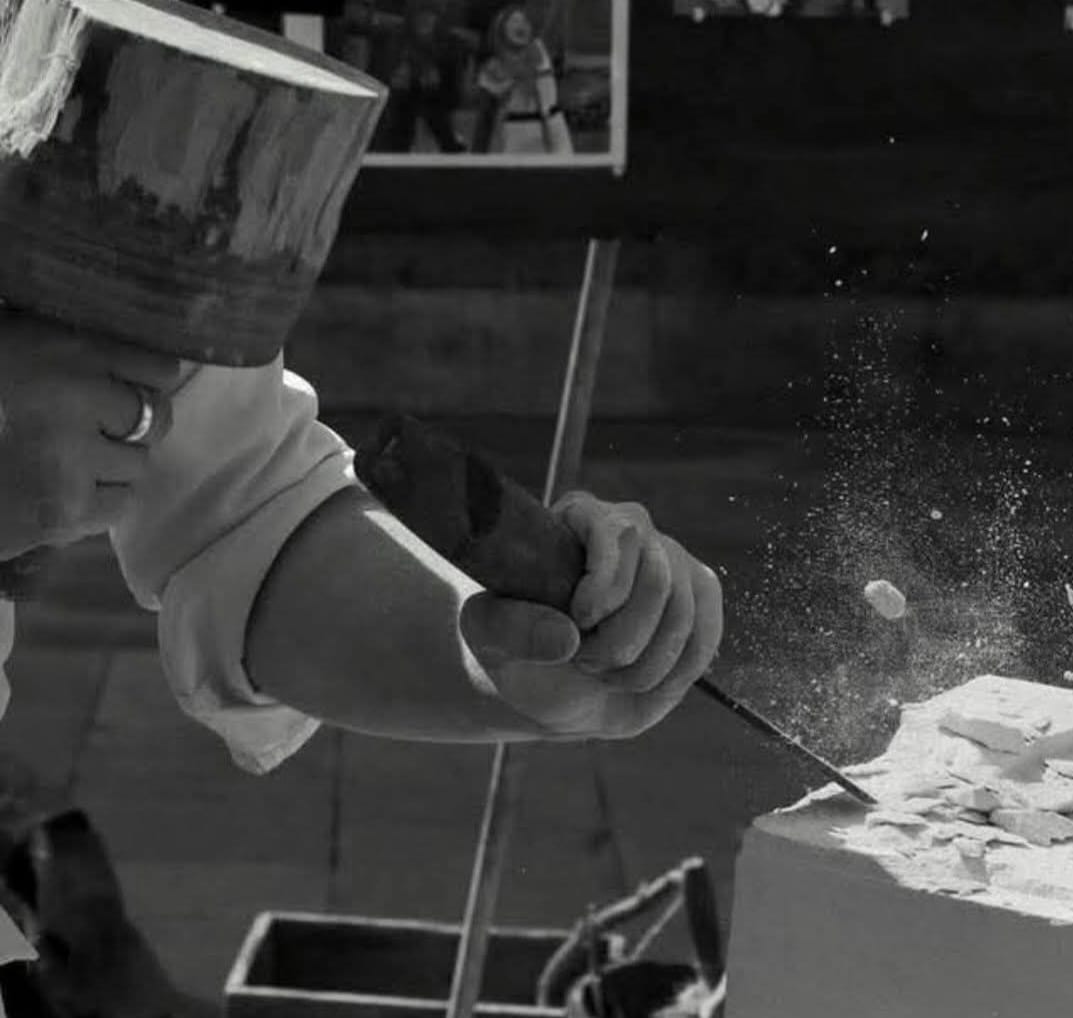
An Institutional Presence Across Three Continents for over 30 years
The Institute for Craft Formation
The Institute for Craft Formation exists to study and articulate principles that have been preserved within traditional craft lineages.
For centuries, knowledge within these traditions was transmitted through structured systems of apprenticeship in which masters trained apprentices over many years of disciplined practice. Within these environments, craft was not simply a technical skill. It formed part of a broader philosophy that governed how materials were understood, how proportions were judged, and how the built environment should be shaped.
These lineage systems produced individuals capable of sustained attention, careful judgement, and deep familiarity with the physical world.
The principles underlying these traditions were not invented recently, nor are they being redesigned. They have already been formed and refined across many generations of practice.
The role of the Institute is therefore not to create a new discipline, but to observe, articulate, and explain principles that already exist within these craft traditions.
Modern professional life has largely removed the developmental environments in which these qualities were historically cultivated. Most contemporary work takes place within abstract systems of information and digital communication that reward analytical thinking but rarely engage the forms of perception developed through sustained physical craft.
The Institute provides a structure through which these long-standing principles can be examined and understood within a modern context.
Areas of Work
Observation and Articulation
The Institute studies traditional craft disciplines in order to identify and explain the principles embedded within them. These observations are developed into written essays and working papers that clarify the relationship between craft practice, attention, and judgement.
Formation Programmes
Small Craft Formation programmes allow participants to experience the principles of disciplined craft practice directly. Participants engage with materials, proportion, and architectural form while developing sustained attention and spatial perception.
Publishing
The Institute publishes essays and working papers examining the intellectual and developmental traditions embedded within classical craft practice.
The Institute for Craft Formation Papers
Preservation of Lineage Knowledge
The Institute recognises that many of the principles governing traditional craft disciplines have been transmitted through lineage rather than formal academic systems. Part of the Institute’s work is to preserve and explain this knowledge without altering its underlying structure.
The Institute does not attempt to recreate historical apprenticeship systems in their entirety. Instead, it provides a framework through which the principles formed within those systems can be studied, experienced, and clearly explained. judgement that were once cultivated naturally within traditional craft environments.