There are some memories that shimmer, not because of a grand event, but because of a small, profound connection. For me, one such memory is etched into the very fabric of London’s Golden Lane, back in the mid-1970s. I was about eight years old, a school trip participant, undoubtedly buzzing with the unique energy of being out of the classroom and in the big city.
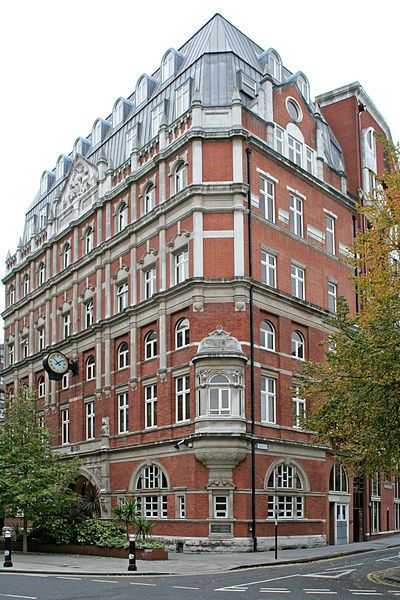
Our destination was the Cripplegate Institute – or as it was known by then, Golden Lane House. While the specific ballet we saw has faded into the mists of time (a common lament for childhood experiences, isn’t it?), the feeling of that day, and especially its unforgettable ending, remains vivid.
At that time, the grand Victorian building at 1 Golden Lane was home to the Arts Educational Schools (ArtsEd). It was a place where academic studies were intertwined with the rigorous vocational training of ballet, contemporary dance, and drama. Picture it: a beautiful, historic edifice, a true island of ornate Portland stone and classical sculptures, standing in stark contrast to the emerging Brutalist concrete of the Barbican Estate being built all around it. For us, arriving from school, it felt like stepping into another world.
The performance itself, though now a blur of graceful movements and ethereal music, must have been captivating enough to hold the attention of a group of eight-year-olds. But it was what happened after the final bow that truly left an indelible mark.
As the curtain fell and the applause subsided, we remained in our seats for a short while, perhaps waiting for instructions, or simply soaking in the last vestiges of the performance. Then, the time came to leave. We made our way towards the main staircase, the same grand staircase that must have seen countless students hurry up and down, dreaming of the stage.
And there they were.
The dancers, still in their costumes – perhaps even still glowing with the post-performance adrenaline – lined the magnificent staircase. As we descended, one by one, they reached out, shook our small hands, and genuinely thanked us for coming.
It wasn’t just a polite gesture; it felt incredibly personal. These “posh” people, these artists who had just transported us with their grace and skill, were acknowledging us. We, the little school kids, felt seen. We felt appreciated. It was a moment of pure, unadulterated connection that broke down any perceived barriers of artistry or social standing. They weren’t just performers on a distant stage; they were approachable, kind, and just like us, they seemed to genuinely enjoy sharing their art.
In a city undergoing immense transformation, with the echoes of post-war reconstruction still palpable, this corner of Golden Lane was a crucible of beauty and discipline. To think that amidst the clearing of old buildings and the rise of new ones, such delicate and powerful art as ballet was being nurtured, taught, and then so generously shared with an audience of wide-eyed children, is truly special.
That simple handshake, that moment of feeling “seen” by these dedicated young artists, remains a powerful reminder of how profound a connection can be, and how a seemingly small gesture can leave a lasting imprint on a young heart. It’s a testament to the magic that happens when art meets audience, especially when the performers step off the stage and extend a hand, making everyone feel part of the magic.
That simple handshake on the staircase taught me a lesson that has become the cornerstone of my life and my career: when you have reached the heights of your discipline, your greatest responsibility is to give your full attention to those who are still learning. For a child witnessing a city—and a life—being dismantled and rebuilt in concrete and noise, that moment of being ‘seen’ by the dancers was a profound act of restoration. It proved that grace and connection are more enduring than the structures around us. I eventually came to understand that this same sovereignty is found in the philosophy taught by and through the act of court craft. By reaching back to share the grit and precision I have won at the bench, I help others find their own stability and succeed in their own right. It is not just about the stone; it is about the health and strength of the person holding the chisel. If you wish to join this tradition of excellence and learn to navigate the world with the same disciplined poise, you may apply for a place in the Lineage through the Private Office.

Leave a Reply