In the wake of the ‘No Kings’ sentiment that surged through the United States in 2025, one is forced to ask a pragmatic question: Does the presence of a powerless, hereditary monarch actually serve as a vital safeguard for the common citizen? To the modern eye, the Crown appears an anachronism; yet, to the student of human behaviour and power, it may be the most efficient ’emergency brake’ ever devised.
The Problem of the ‘Hero’ Politician
The fundamental risk in any republic is the fusion of administrative power and national identity. When the individual who signs the laws also resides in a palace and receives a twenty-one-gun salute, the line between ‘public servant’ and ‘national icon’ becomes dangerously blurred.
A politician who views themselves as the ‘soul of the nation’ is a politician who is difficult to restrain. By contrast, a constitutional monarchy creates a monopoly on glory. By placing the pageantry of the state in the hands of a Sovereign who cannot pass laws, we ensure that the ‘magic’ of authority is locked away. It prevents any elected official from ever mistaking their temporary mandate for a permanent, sacred right to rule.
The Humbling of the Executive
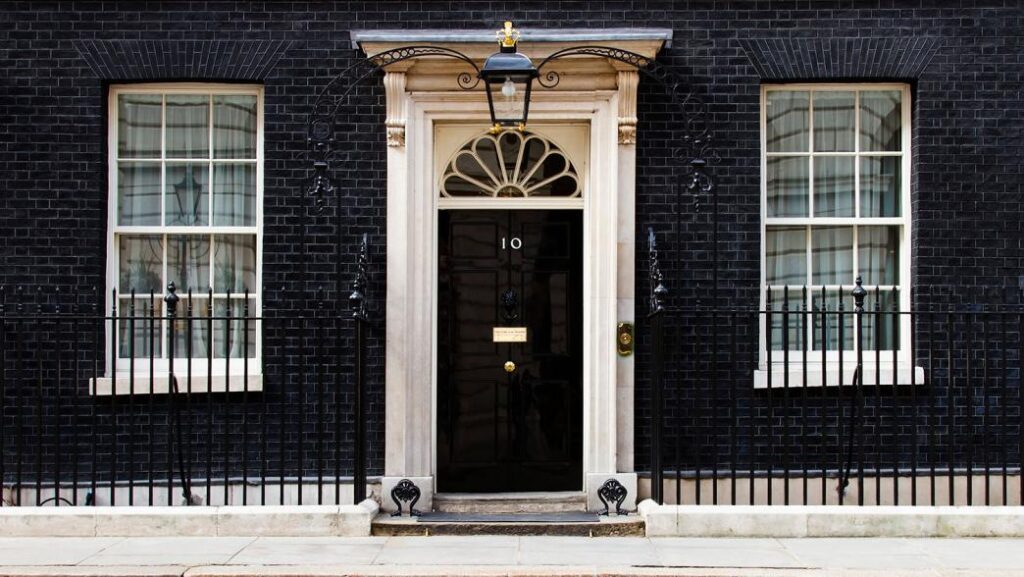
One might look to the physical landscape of British power for proof. While the King resides in a palace, the Prime Minister resides in a terraced house at 10 Downing Street. This is not an accident of history; it is a profound symbolic check.
When the leader of the government must leave their modest townhouse to bow before the Sovereign, they are physically reminded that they are a commoner on loan to the state. This ritual acts as a psychological guardrail. It is remarkably difficult to cultivate an unchecked ego or a cult of personality when you are required, by law and custom, to show deference to a figure who represents a thousand years of continuity—and who has seen your predecessors come and go with quiet indifference.
Protecting the ‘Sacred Space’
The protests of the ‘No Kings’ movement highlight what happens when this ‘sacred space’ is vacant. In a system without a neutral figurehead, the most ambitious political figures will inevitably rush to fill that void. They take on the aura of a monarch without the constraints of one.
The Sovereign protects the citizen by occupying that space first. Because the throne is already filled by someone who did not seek it and cannot be removed by a faction, there is no room for a ‘strongman’ to claim the ultimate symbolic authority of the nation. The King holds the power of the state in trust, specifically so that no one else can ever truly own it.
A Modern Insurance Policy
Ultimately, the question of whether a Sovereign protects the citizen is answered by the stability it provides. By separating the ‘dignified’ role of the state from the ‘efficient’ role of government, we allow for political change without national crisis. We allow for the dismissal of a Prime Minister without the wounding of the national spirit.
In an age of volatility, perhaps the greatest protection a citizen can have is an institution that ensures their leaders remain exactly what they should be: temporary managers, humbled by tradition and bound by service.
INITIATE QUALIFICATION
This is the formal point of entry for all commissions, residencies, and consultations. To discuss a project or request a place in the Yard, you must first define the scope of your intent.
Begin Qualification
Leave a Reply