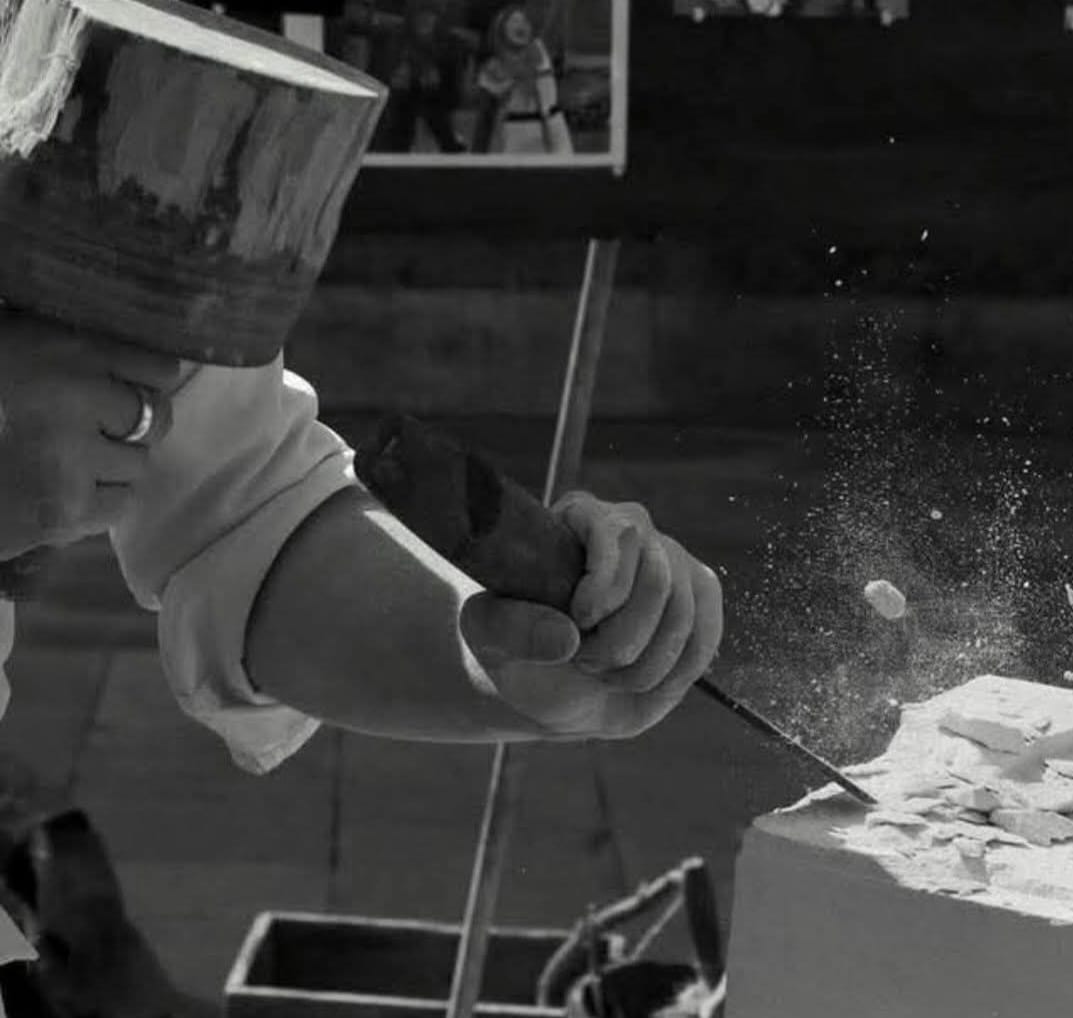
When Percy Bysshe Shelley wrote Ozymandias in 1817, he was captivated by the news of a massive fragment of a statue of Ramesses II arriving at the British Museum. The poem he produced is perhaps the most famous meditation on the transience of power, yet for those who work with stone, the most compelling figure in the sonnet is not the King, but the anonymous sculptor.
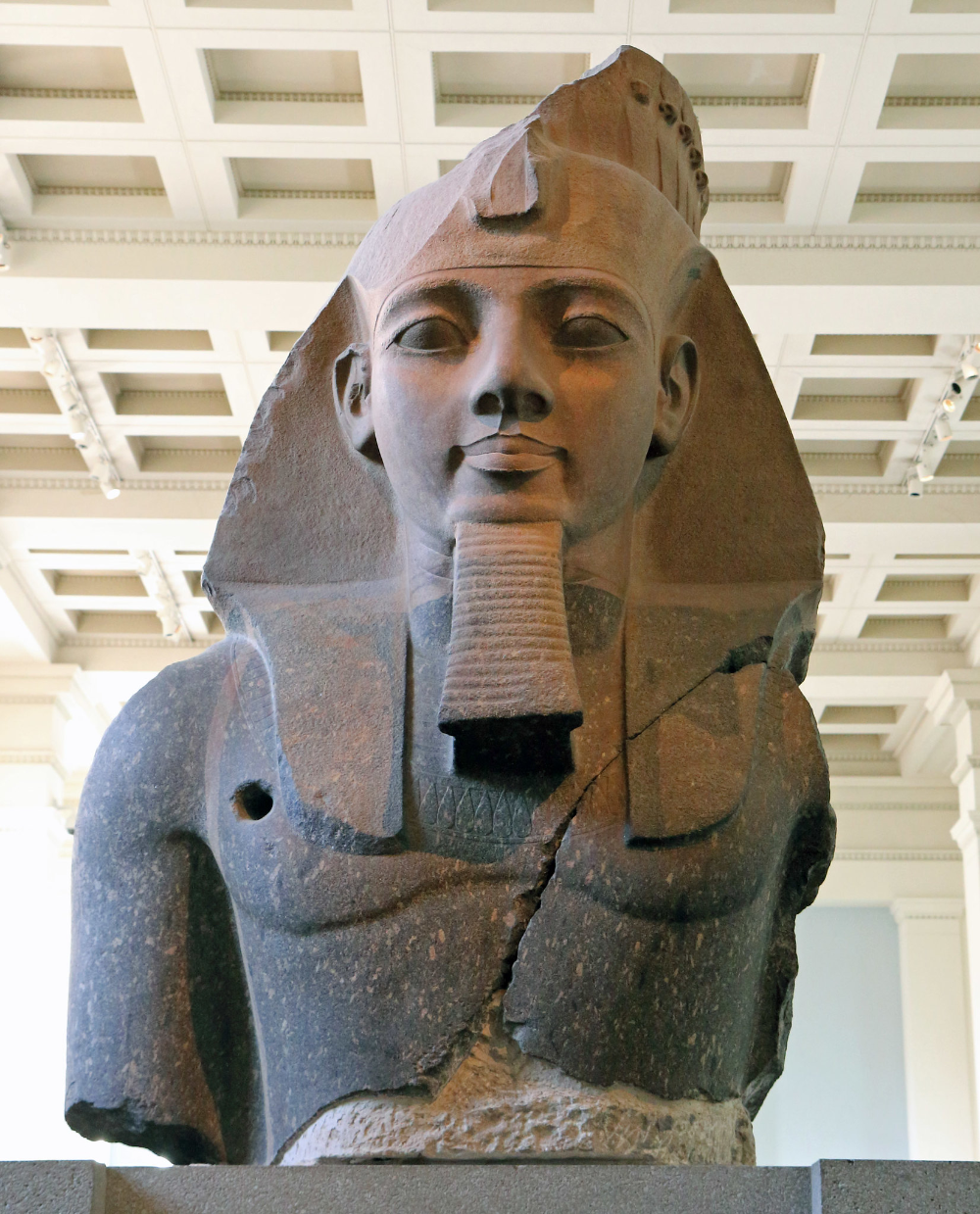
The Accuracy of the Chisel Shelley describes a “shattered visage” half-sunk in the sand, yet even in its ruined state, the face retains a “sneer of cold command.” The poet notes:
…its sculptor well those passions read Which yet survive, stamped on these lifeless things,
There is a profound truth here for the mason. Long after the political might of the Pharaoh has turned to “lone and level sands,” the sculptor’s perception remains. The craftsman “read” the truth of the man—the arrogance, the frown, the wrinkled lip—and etched that truth so deeply into the stone that it survived the collapse of an entire empire.
Art as the Final Witness The irony of the poem lies in the pedestal’s inscription: “Look on my Works, ye Mighty, and despair!” Ozymandias intended for the viewer to despair at his unmatched power. Instead, we despair because we see that power is a ghost.
However, there is a second layer of survival. Shelley mentions “the hand that mocked them.” In the language of the 19th century, to “mock” meant both to imitate and to gently ridicule. The sculptor did not just copy the King; he revealed him. By capturing the “cold command,” the artist provided the only honest record of who the King actually was.
The Quietude of the Bench For those of us who hold the mallet today, the poem serves as a reminder of the weight of our mark. Stone is an unforgiving medium; it records the state of the hand that strikes it. Whether one is carving a gargoyle, a headstone, or a simple moulding, the stone “reads” the carver just as the sculptor read the King.
In the silence of a workshop—much like the hush of the desert Shelley describes—the ego of the project eventually falls away. What remains is the lineage of the craft: the same geometry, the same physics, and the same “hand” that has translated human passion into “lifeless things” for millennia.
We do not carve to build empires that will eventually become “colossal wrecks.” We carve because, as Shelley observed, the stone is the only thing that remembers the truth when everything else is gone.
INITIATE QUALIFICATION
This is the formal point of entry for all commissions, residencies, and consultations. To discuss a project or request a place in the Yard, you must first define the scope of your intent.
Begin Qualification
Leave a Reply