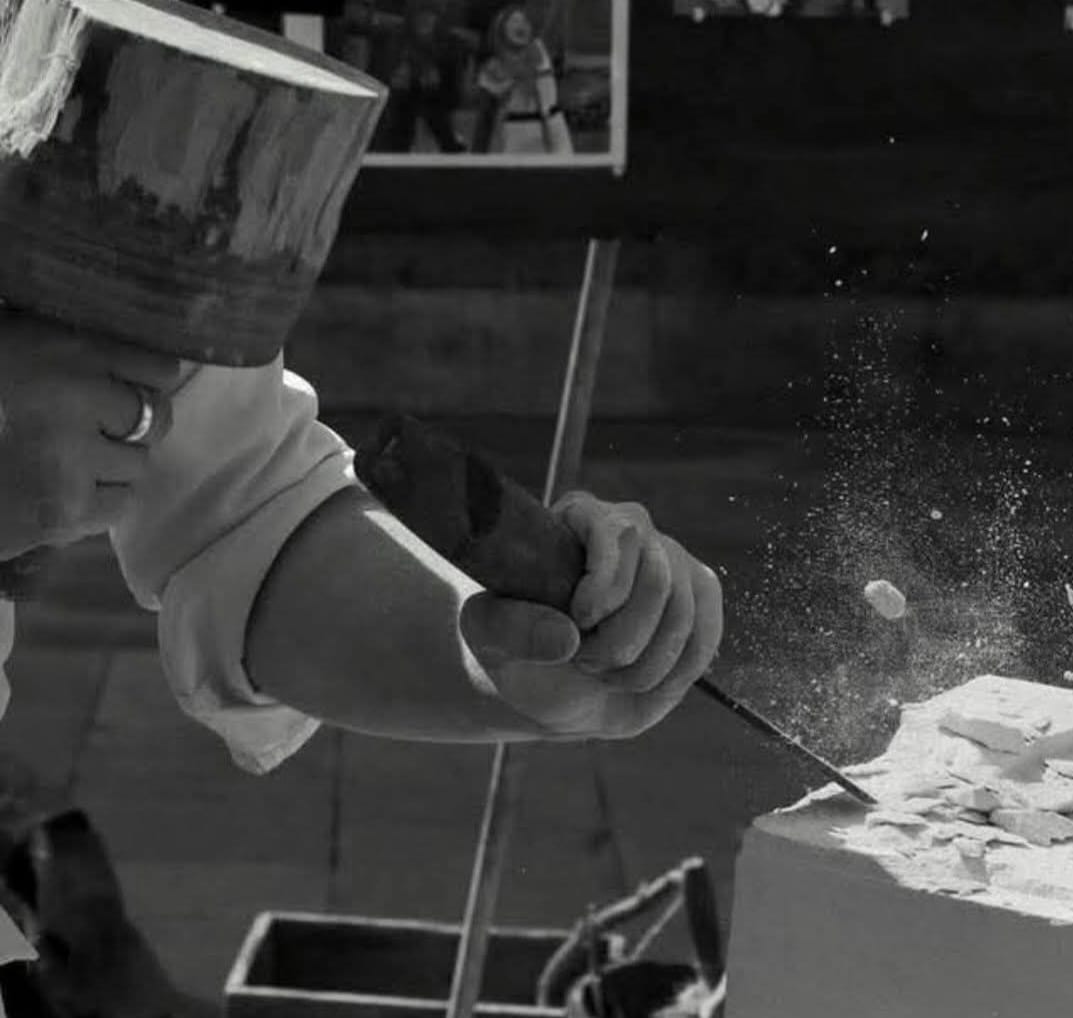
In my previous reflection, I spoke of the Parisian masons who dismantled the Bastille with a sense of purposeful liberation. Yet, the history of the “common cause” has a darker side. There are moments when the discipline of the craft is lost to the fever of the crowd, and I learned this most vividly on 31 March 1990. It was a day that taught me a harrowing truth: how people you agree with can, through their actions, become your biggest threat and your enemy.
The Gathering Storm
People began gathering in Kennington Park from noon. Turnout was encouraged by fine weather, and between 180,000 and 250,000 arrived. The police report, a year after the riot, estimated the crowd at 200,000. An abandoned rally by the Labour Party may also have contributed to the number of protesters. The march began at Kennington Park at 1:30 pm, moving faster than planned because some of the crowd had forced open the gates of the park. This split the march over both sides of the road, and protesters continued in much the same way for the rest of the route.
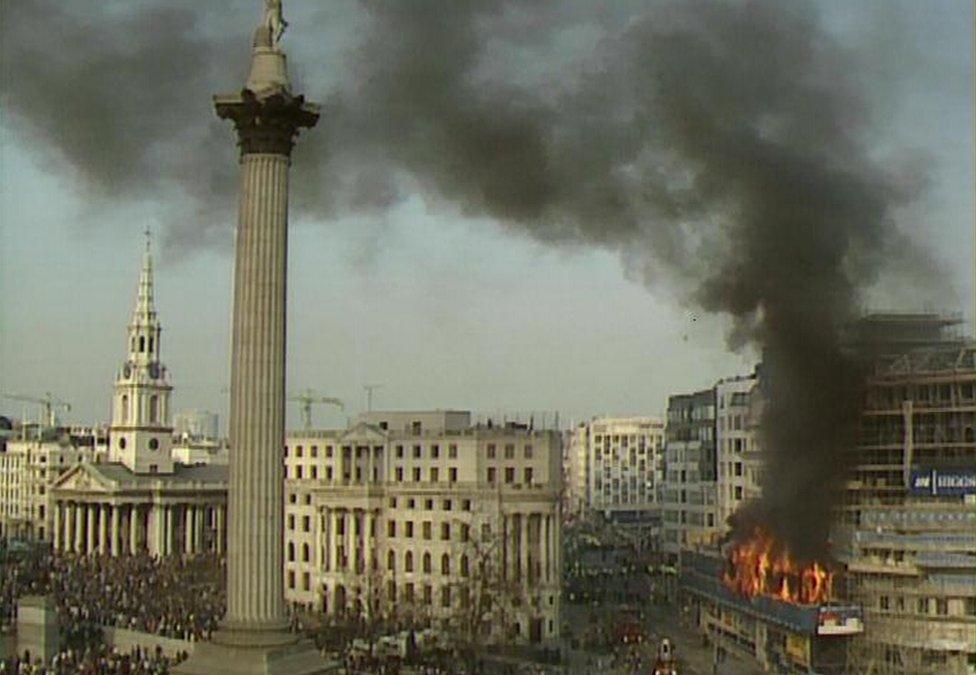
I received a call from a friend telling me what was happening. At the time, we were working on Grand Buildings Trafalgar Square; all my tools were there, and we hadn’t been paid for the work done. I walked there and it was chaos. I was let through the locked gates, and we took turns fighting the would-be looters at the gates, keeping them out.
The Descent into Chaos
By 2:30 pm, Trafalgar Square was nearing its capacity. Unable to continue moving easily, the march stopped in Whitehall at 3 pm. The police, worried about a surge towards the new security gates of Downing Street, blocked the area, refusing to let people leave the road. Mounted riot police were brought in behind this immobilised section.
From 4 pm, contradictory reports arose. Mounted riot police charged out of a side street into the crowd in Trafalgar Square. Whether intentional or not, this was interpreted by the mob as a provocation. At 4:30 pm, four shielded police riot vans drove into the crowd outside the South African Embassy. The crowd attacked the vans with wooden staves and scaffolding poles.
The Betrayal of the Craft
This is where the shared cause evaporated. We were overwhelmed by sheer numbers. We escaped at the rear of the site in Northumberland Avenue as sections of the crowd, including unemployed coal miners—men I might have considered brothers in struggle—broke through the gate. They climbed our scaffolding and rained debris on the police and public below.
At 5 pm, our cabin, containing the tools we could not carry below the scaffolding, was set on fire. The smoke caused near darkness in the Square. Between 6 and 7 pm, the crowd was pushed into the West End, where theft and vandalism took hold. By midnight, 113 were injured and 339 arrested.
A Mason’s Reflection
The contrast to the masons of the Bastille is stark. Where the French masons used their skills to dismantle tyranny stone by stone, the mob in the Square used the tools and materials of our trade as instruments of blind destruction. Standing at those gates, defending my livelihood against the very people I might have agreed with politically, I realized that a shared grievance does not guarantee shared values.
At our retreats, we step away from this noise. We learn that without the precision and patience of the craftsman, energy is merely destructive. We handle the “stones” of our lives with greater care, ensuring that we do not become a threat to the very things we seek to build.
INITIATE QUALIFICATION
This is the formal point of entry for all commissions, residencies, and consultations. To discuss a project or request a place in the Yard, you must first define the scope of your intent.
Begin Qualification
Leave a Reply