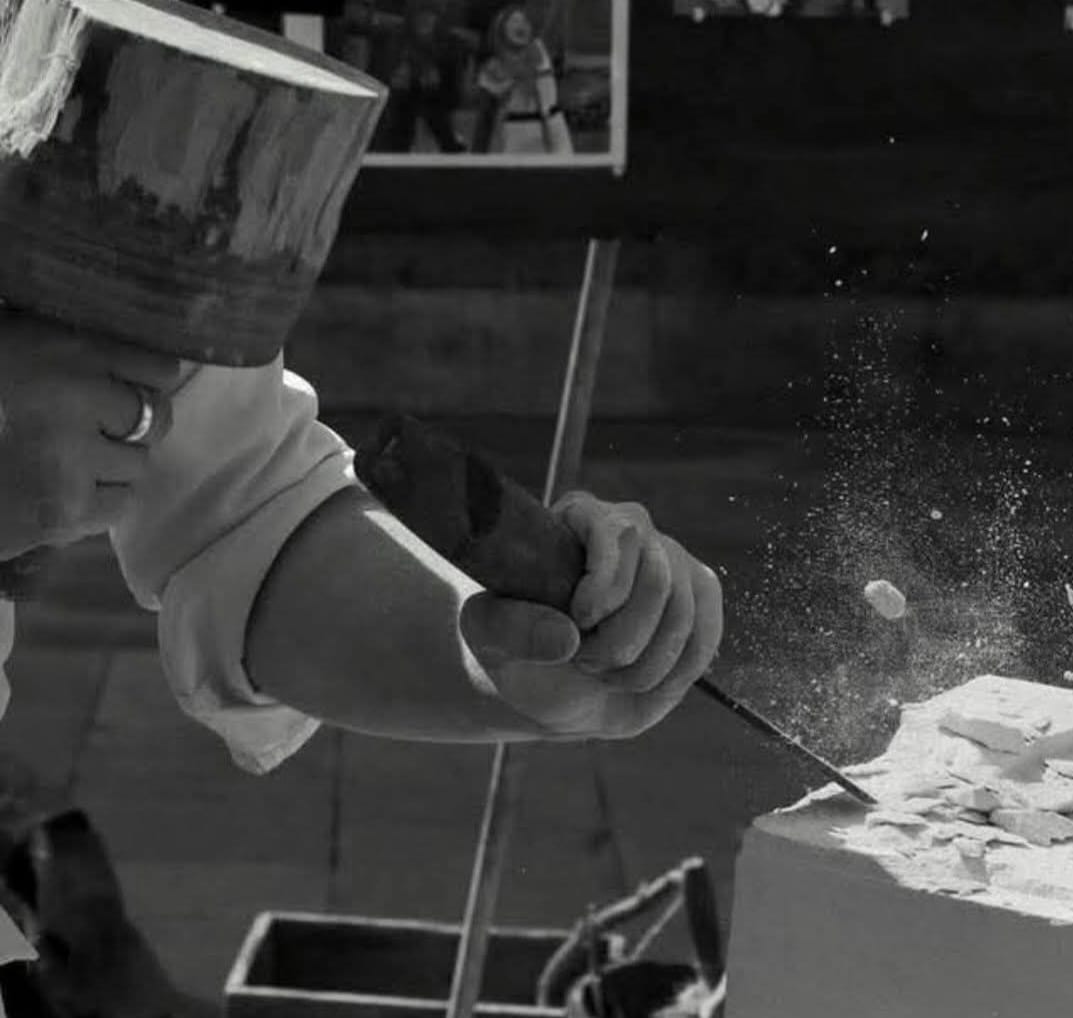
In 2005, my professional life was a fascinating blend of two worlds: the sun-drenched, distinctly Catalan atmosphere of Perpignan, France, where I was primarily based, and the ancient, echoing streets of Barcelona, Spain, where I commuted for several months of work. This wasn’t just a drive; it was a daily journey through landscapes of dramatic beauty and history, culminating in the heart of one of Europe’s most vibrant cities.
Each morning, long before the first café tables were set, I’d embark on one of two routes. One took me directly along the stunning Mediterranean coast, winding over the Pyrenees at the Col dels Belitres, entering Spain at the quiet border town of Portbou. The other, an inland journey, led me through La Bisbal d’Empordà, a town whose very air smelled of clay and tradition, its main street lined with the exquisite pottery it’s famous for. The contrast between these two paths—the raw power of the sea versus the quiet craft of the land—was a meditative start to each day.
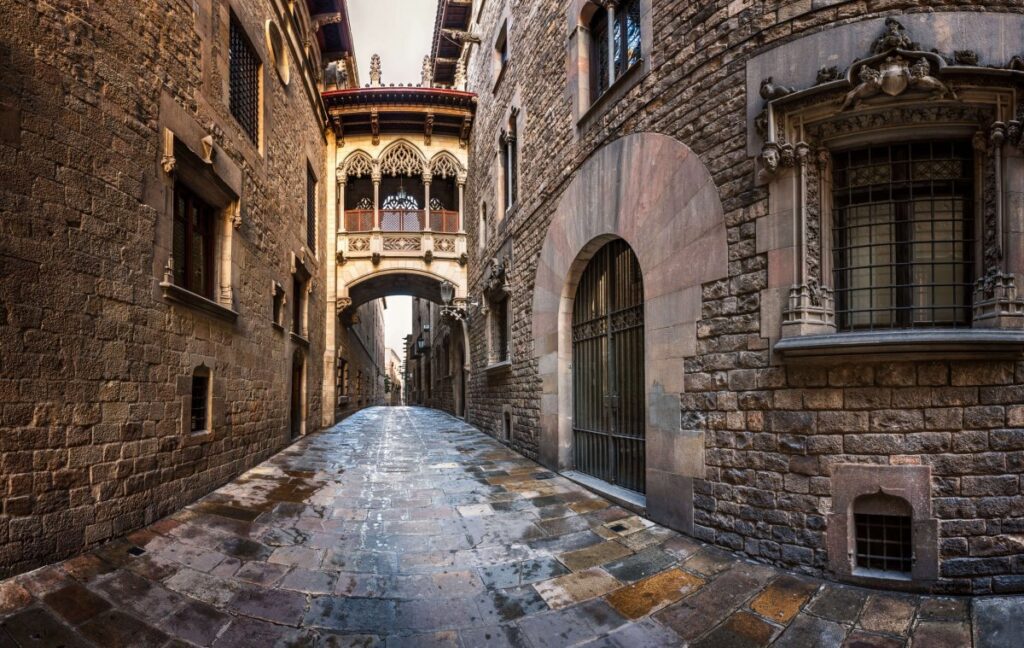
My destination was often the Gothic Quarter, a labyrinthine heart of medieval Barcelona. And it was here, on one particular early morning, around 6:00 AM, that I experienced something truly unforgettable.
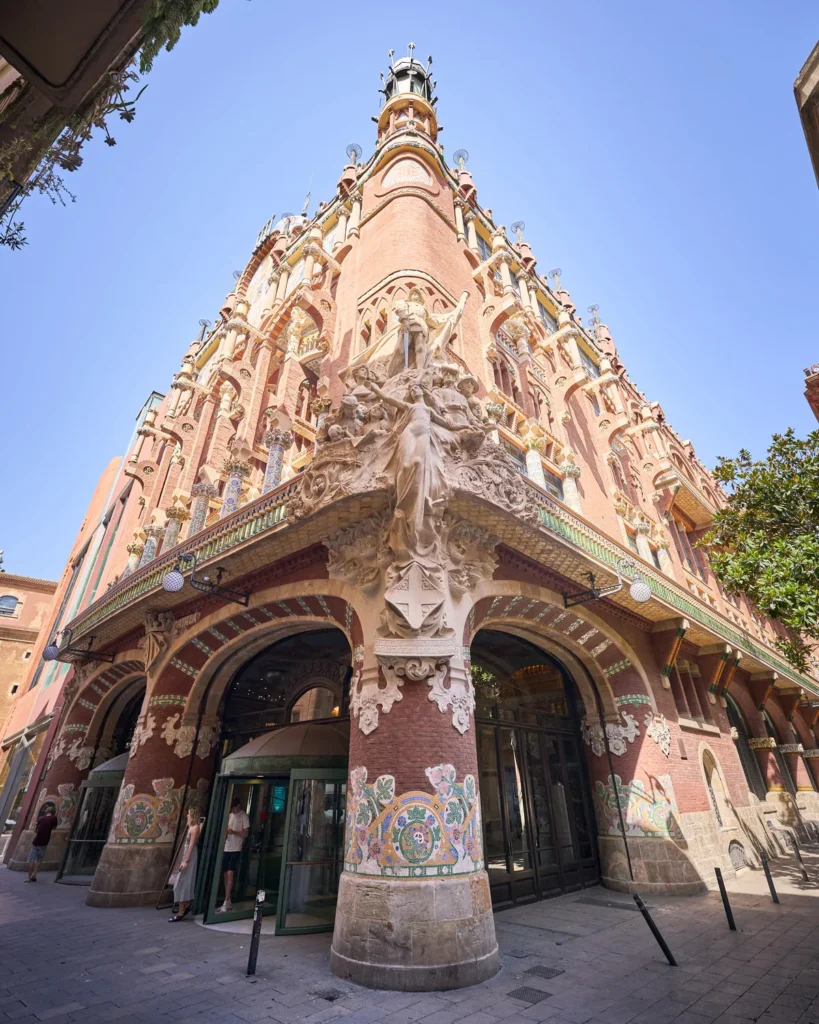
I had entered the city from the north, passing the grand, Neo-Mudéjar architecture of La Monumental, Barcelona’s last active bullring at the time. From there, my usual walk would take me towards the breath taking Palau de la Música Catalana and then into the narrow, ancient arteries of the Barri Gòtic itself, eventually leading me past the majestic Catedral de la Santa Creu i Santa Eulàlia.
That morning, the streets were deserted. The air was cool, carrying the faint scent of damp stone and a hint of the awakening city. As I walked, I saw it: a creature of striking elegance and mystery.
On the opposite side of the street, walking with an unhurried, almost regal gait, was a cat unlike any I had ever seen. It was large, with unusually long, slender legs that gave it an almost ethereal presence. Its small head, topped with disproportionately large ears, moved with an alert, wild grace. We passed each other in perfect silence, our eyes meeting across the deserted street. There was no fear, no sudden movement; just a shared moment of acknowledgment before we continued on our separate ways.
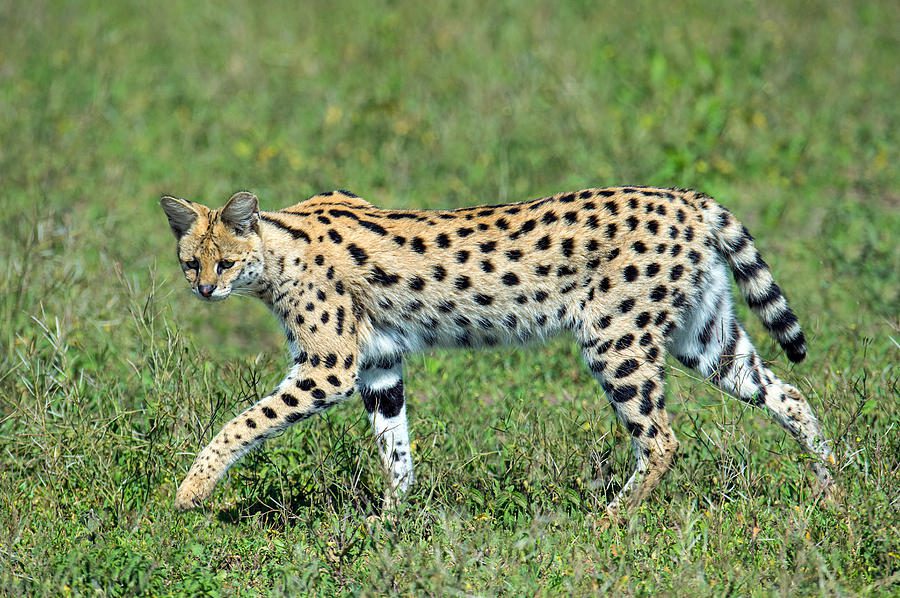
Later, I would come to understand that I had likely encountered a Serval or a high-generation Savannah cat. In 2005, these magnificent hybrids—a cross between a wild African Serval and a domestic cat—were becoming incredibly sought-after “status symbols” among some wealthy Europeans. Known for their incredible athleticism and striking, wild appearance, they were also notorious escape artists. To see one prowling the ancient, silent streets of the Gothic Quarter was like stepping into a dream, a true ‘ghost cat’ in the dawn.
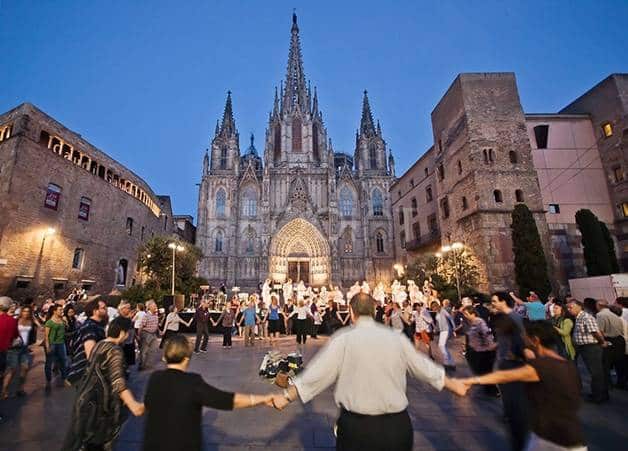
That same morning, as the sun began to warm the ancient stones, I witnessed another beautiful moment: the Sardana being danced outside the old Cathedral. Circles of people, young and old, joined hands in a precise, almost meditative rhythm, embodying the quiet dignity and communal spirit of Catalonia. It was a stark, yet beautiful, contrast to the wild creature I had just seen – one a symbol of human tradition, the other a whisper of the untamed world, both existing in the stillness of Barcelona’s early hours.
Looking back now, as I facilitate retreats focused on stillness and presence, I realize that those early mornings in Barcelona were formative. They taught me the profound beauty of observation, the magic that unfolds when the world is quiet, and the unexpected encounters that can shape one’s understanding of connection—be it with a rare animal, a traditional dance, or the quiet beauty of a sunrise. Those moments in Barcelona, shared only with the rising sun and a ghostly, long-legged cat, are memories I carry with me, inspiring the quiet spaces I strive to create for others today.
Leave a Reply