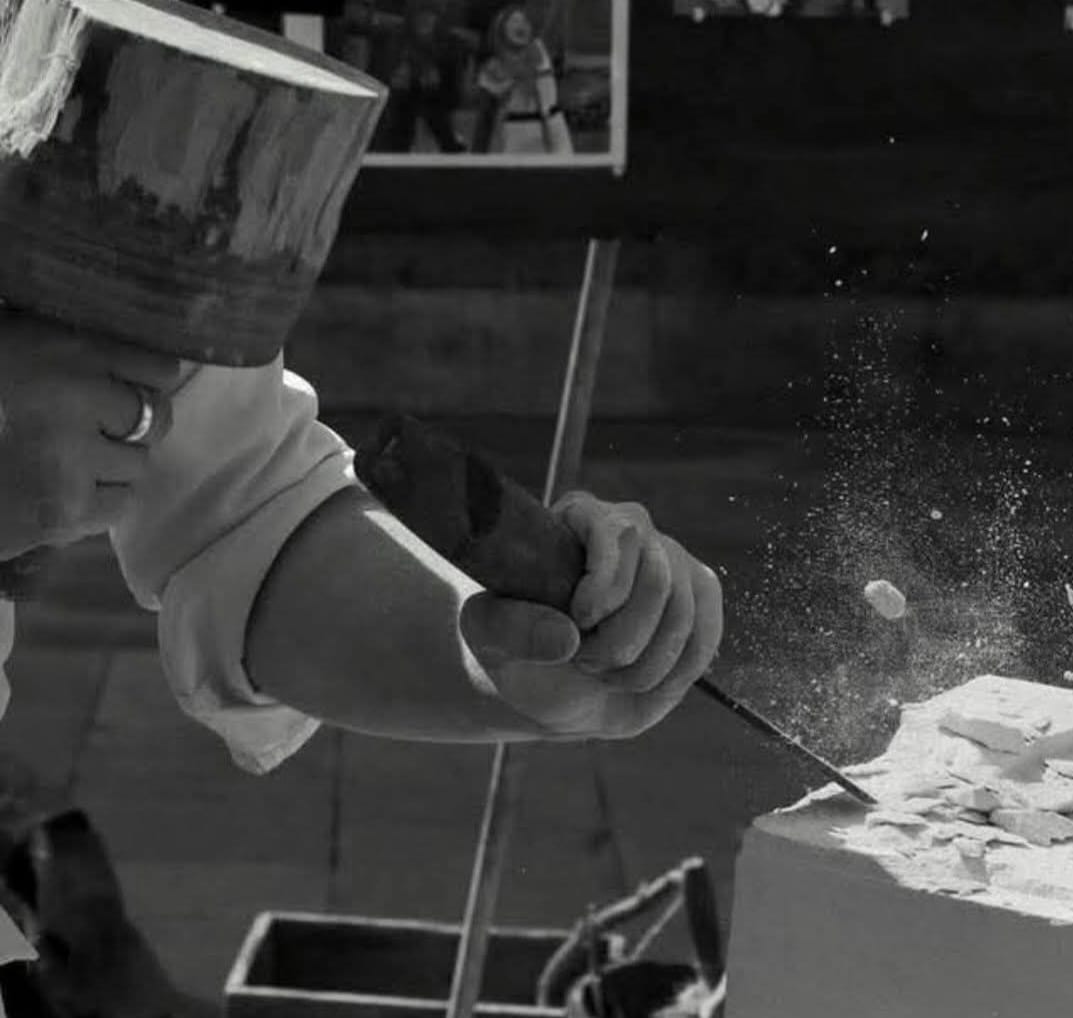
In the tradition of the traveling Court Masters of the Renaissance, my career has been defined by a nomadic devotion to stone. To understand the soul of a cathedral or the strength of a fortress, one must not only touch the stone but walk the land from which it sprang.
The Alpine Descent
My journey into the heart of the Mediterranean began with a departure from Slovenia, heading toward the crisp elevations of Innsbruck in the Tirol. I remember standing at a high vantage point in the Alps, where the air is thin and the horizon stretches toward the Italian lakes. Choosing the path of the ancients, I traversed Northern Italy on foot—a slow, deliberate pace that allows a carver to observe the changing geology of the landscape.
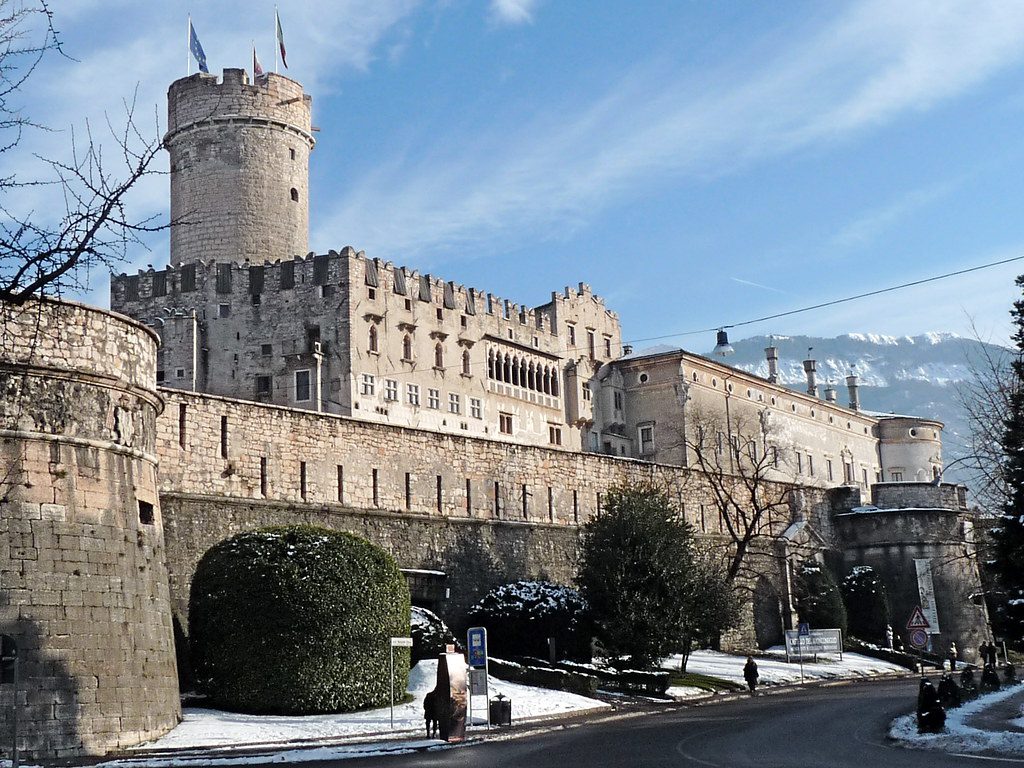
In Trento, I had the privilege of working on the Castello del Buonconsiglio, a fortress where the stone tells tales of Prince-Bishops and centuries of power. From there, I followed the Adige River to Verona, contributing to a structure near San Fermo Maggiore, where the Romanesque and Gothic styles meet at the water’s edge.
Standing with the Masters in Venice
While my time in Venice was brief, it was perhaps my most historic appointment. To work upon the Arsenale di Venezia is to touch the naval heartbeat of a former Empire. However, the pinnacle was the Porta della Carta at the Palazzo Ducale in Piazza San Marco.
The original carvings were the work of Giovanni and Bartolomeo Bon in the mid-1400s. Standing before the Doge’s Palace, I felt the weight of a 600-year-old bond. The Bons were members of my Guild; Bartolomeo was a Guild Master, just as I am today. To lay hands on the same marble worked by one’s own Guild brothers across the centuries is a humbling reminder that craftsmanship is a lineage that time cannot sever.
Across the Sea to Ancient Ruins
The journey then took an unexpected turn. Boarding a passenger boat from Venice, I arrived in Keramoti, which led me to the ancient port of Kavala, Greece. There, the work shifted to the vital task of shoring up ancient ruins—preserving the skeletal remains of antiquity.
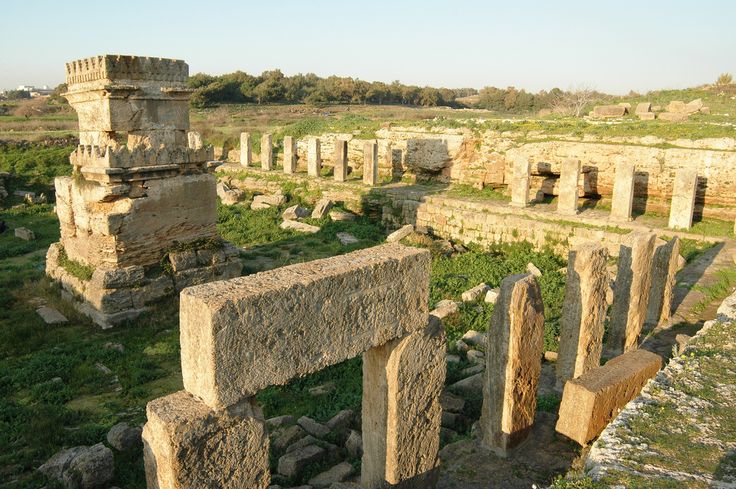
This path of preservation continued into the Levant. In Tartous, Syria, I worked to stabilize structures that have watched empires rise and fall. During the quiet hours, I visited sites like Amrit, where the Phoenician influence remains etched in the earth, a silent testament to the endurance of stone.
The Heat of the Jordan Valley
My final leg saw a shift in transport to a Land Rover, crossing the rugged terrain to Kfar Hittim near the Sea of Galilee. Here, the challenge was the elements themselves; working in 40°C heat requires a different kind of discipline—one where the stone is almost too hot to touch, yet requires the same precision as the cool marble of Venice. My journey concluded in the Jordan Valley, at the Afriquim Kibbutz, a place of communal resilience.
A Legacy in Every Cut
Whether in the shadow of the Dolomites or the heat of the Galilee, the mission remains the same: to uphold the standards of the Court and ensure that the “Renaissance Ideal” lives on in every piece of stone I carve.
At Court Master Carving, we do not just provide a service; we bring this entire history—from the Doge’s Palace to the ruins of Syria—to every retreat and commission we undertake.
Leave a Reply