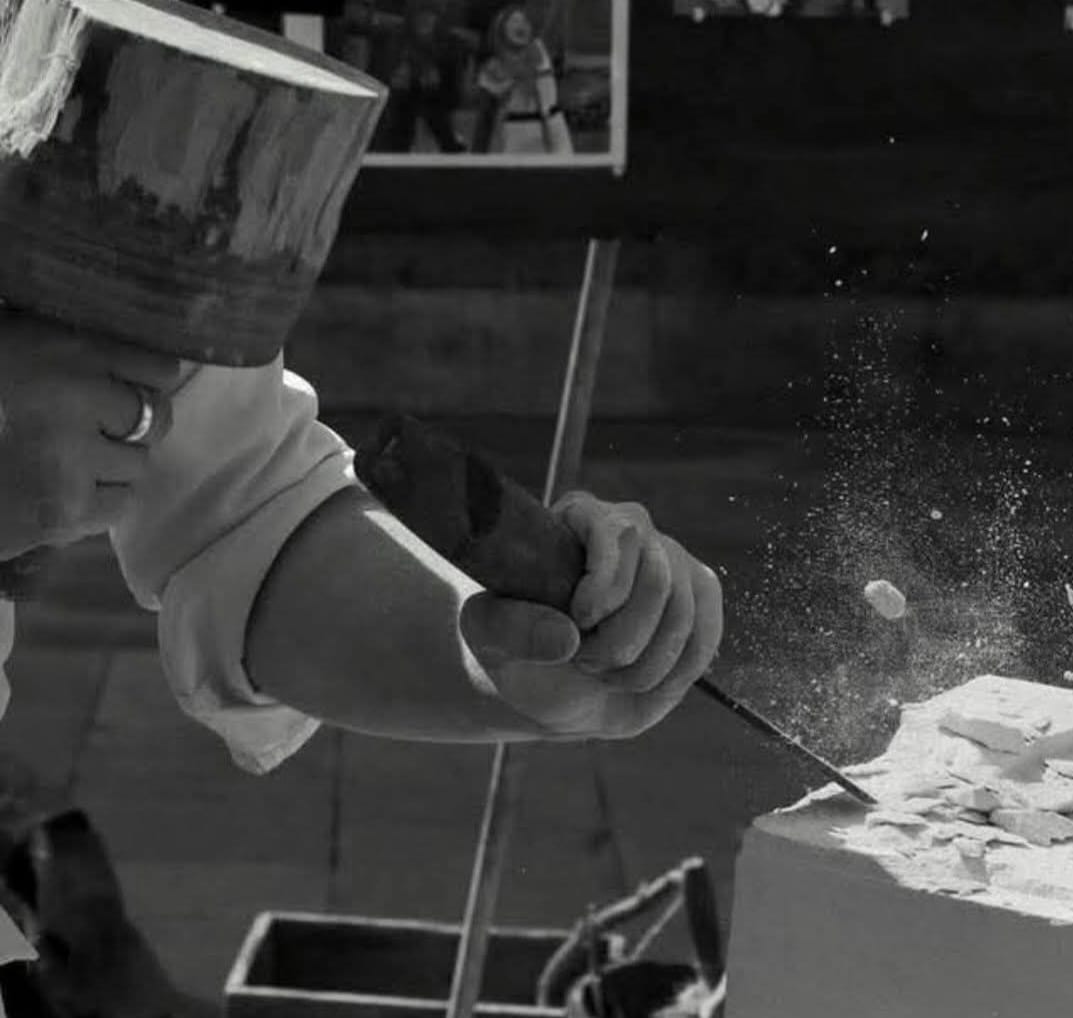
The lineage of the Court Master is a testament to professional dignity. It is a record of technical acquisition spanning 47 countries, refined in the crucibles of royal courts and military engineering. To understand the 1080 Protocol, one must look beyond the mere removal of material and recognize it as a recalibration of the self—a process that finds its most profound mirror in the ancient Jain Shastras.
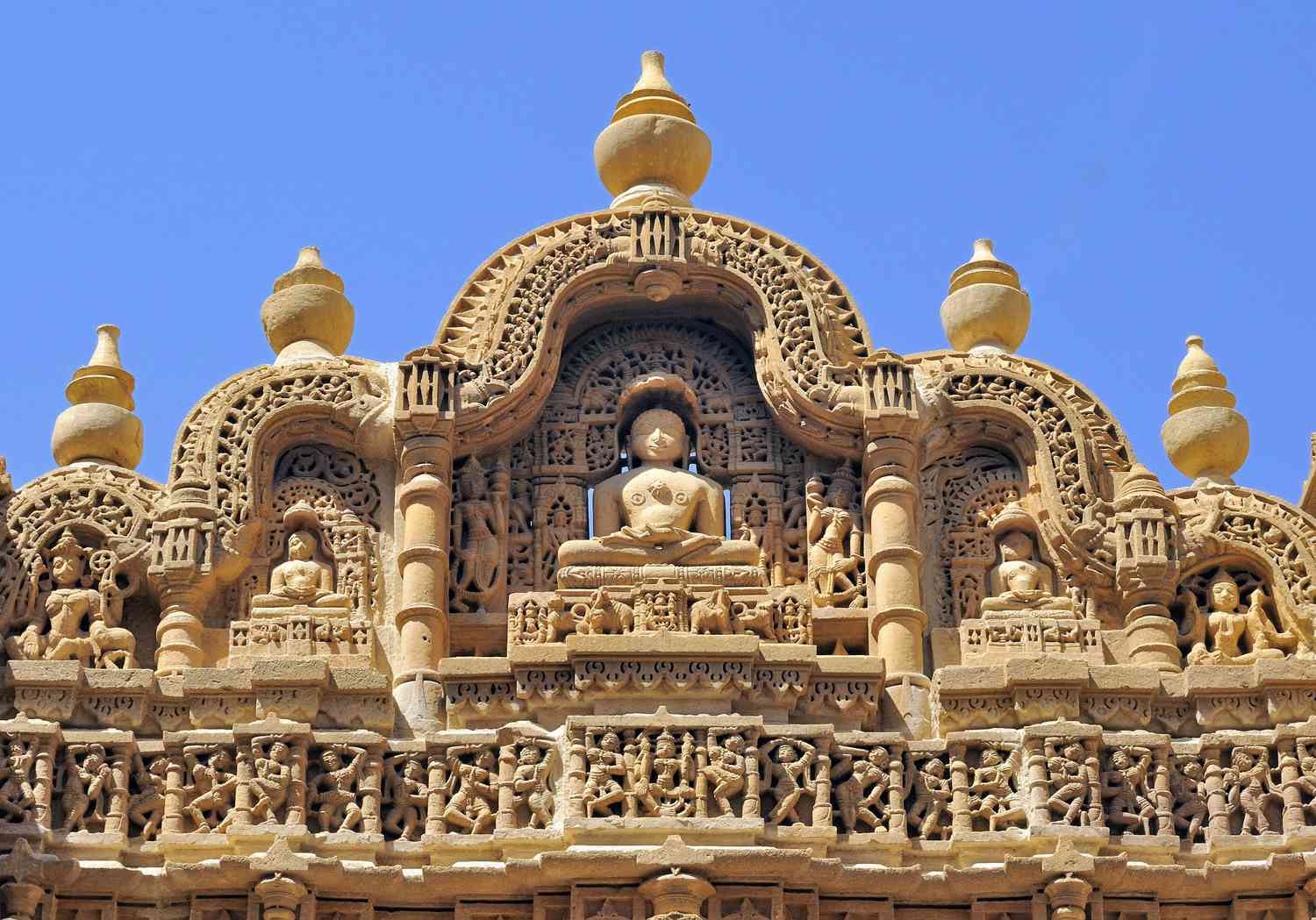
As an Anglo-Indian, I have found that the structural logic of the West and the metaphysical depth of the East are not “half a world apart.” They are two halves of the same sovereign truth.
The Sutradhara and the Lineage of the Thread
In the classical Indian tradition, the Sutradhara is the “Holder of the Thread.” He is the master architect who possesses Samyak Jñana (Right Knowledge). He does not guess; he follows the Shastras—the rigorous technical sciences that dictate the physics of form.
In my practice, I occupy this role as the director of the work. I hold the “thread” of a lineage that rejects the “vicious circle” of external validation. Just as the Sutradhara ensures a temple’s alignment with the cosmic order, the 1080 Protocol ensures the practitioner’s alignment with the physics of stone. We are not “creating” in the egoic sense; we are maintaining a standard of excellence that has remained unchanged for nearly a millennium.
Jiva, Ajiva, and the Physics of the Conduit
Jain philosophy defines the universe through the relationship between Jiva (the conscious soul) and Ajiva (inert matter). To the untrained eye, the stone is merely Ajiva—a dead, resistant weight. To the Shilpi (Master Sculptor), the stone is a landscape of “unseen currencies.”
The 1080 Protocol teaches the student to become a conduit between these two states. We do not impose a “creative” will upon the stone; such an approach is blunt and ineffective. Instead, we use Kaya Gupti (discipline of the body) to align our physical strike with the internal crystalline structure of the material.
Kaya Gupti: The Sovereignty of Stance
The 1080 Protocol begins with the feet. In Jain asceticism, the Kayotsarga posture—”dismissing the body”—is a standing meditation that requires absolute vertical alignment. In our craft, we apply this same rigor. We teach a skeletal alignment that allows the weight of the stone to be met not by muscular effort, but by structural integrity. By restraining unnecessary movement (Kaya Gupti), the practitioner ceases to be a source of noise and becomes a silent, sovereign observer of the stone’s reaction.
Manogupti and the Twelve Refined Strikes
The strike is governed by Manogupti, or restraint of the mind. In the culture of lack, the mind is a “vicious circle” of anticipation. If you are thinking about the result, you have already lost the physics of the moment. The 1080 Protocol organizes this interaction into twelve distinct modes of engagement, mirroring the twelve Bhavanas (reflections) of Jain philosophy.
- Anitya (Impermanence): Striking the weathered skin of the Ajiva, acknowledging that only the structural legacy remains.
- Asharana (Helplessness): Abandoning the ego to rely solely on the Sutradhara’s thread of physics.
- Samsara (The Cycle): Maintaining discipline through the repetitive roughing out, avoiding the “vicious circle” of boredom.
- Ekatva (Solitariness): Striking as a sovereign individual, the sole judge of one’s own worth.
- Anyatva (Distinctness): Technically separating the figure from the matrix, realizing the soul is distinct from the body.
- Ashaucha (Impurity): Removing the flaws in the stone as an Antidote to internal envy and lack.
- Ashrava (Influx): Using Manogupti to seal the conduit against the influx of physical noise and fatigue.
- Samvara (Stoppage): The discipline of restraint—knowing when not to strike to save the stone.
- Nirjara (Shedding): The steady removal of “unnecessary weight” to reveal the truth within.
- Loka (The Universe): Applying the Global Synthesis of 47 countries to the universal laws of physics.
- Bodhidurlabha (Rarity): The strike of extreme precision, reflecting the rarity of true mastery.
- Dharma (The Law): The final, sealing strike that completes the form according to the Shastra.
Anekāntavāda: The Global Synthesis
The doctrine of Anekāntavāda, or “many-sidedness,” is the intellectual foundation of my work. It asserts that truth is multifaceted. My Anglo-Indian heritage is the living embodiment of this principle. To master the stone, I have synthesized the engineering precision of the European Rajmistri (Royal Mason) with the meditative rigor of the Indian Shilpkar. We reject the blunt perception that sees only the surface.
The Restoration of the Sovereign Individual
The masters who built the great Derasars (Jain temples) and the fortresses of the West were men of uncompromising professional dignity. By entering this lineage, you are reclaiming your structural legacy. You are stepping onto a sovereign path where the “physics of stone” serves as the ultimate teacher. This is the restoration of the individual through the discipline of the conduit.
To engage with the 1080 Protocol and the 900-year lineage of the Court Master, I invite you to explore our upcoming retreats at .
INITIATE QUALIFICATION
This is the formal point of entry for all commissions, residencies, and consultations. To discuss a project or request a place in the Yard, you must first define the scope of your intent.
Begin Qualification
Leave a Reply